Why We Hoard Old Tech (And How to Let Go)

Image Source: Freepik.com/chikenbugagashenka
Most of us have at least one old device lying around that we don’t use anymore, but haven’t thrown away either. An old laptop in a cupboard. A phone tucked into a drawer. It still works, or maybe it doesn’t, but we keep it anyway.
This habit is more common than we think or like to believe, and it is not just about being busy or forgetful. People usually hold on to old tech because it feels safer to keep it with them than to decide what to do with it. There is always the thought that you might use it later, or the data in it will come in handy, or just letting it go will take up too much effort.
But the problem is that the longer we hold on, the more these devices will lose value and purpose. So understanding why we hoard old tech makes the decision a bit easier. And once the reason is clear, letting go becomes less stressful and more of a practical option.
The Psychology Behind Tech Hoarding
Do you ever wonder why we just can’t seem to part with that old laptop, phone, or tablet? We know it’s not just laziness; in fact, it is our brains doing what they are wired to do.
• Emotional Attachment
Devices hold pieces of our lives. Your first laptop may have hosted your very first presentation, old but precious photos, and a lot more. So over time, these devices start to feel less like objects but more like an extension of ourselves.
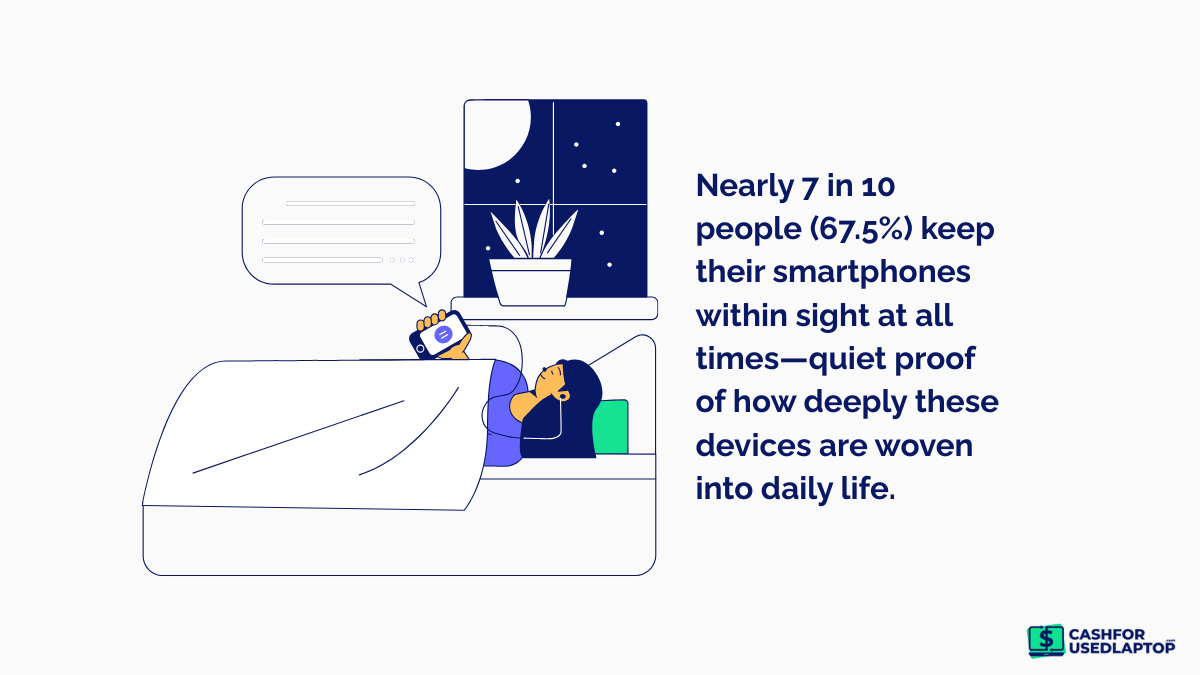
Russell Belk, in his consumer psychology research, calls this the ‘Extended Self.’ This idea explains that our possessions can become a part of our identity. When we hold on to devices, it is not because we want to keep the hardware, but it is mostly because we are holding onto memories, experiences, or maybe even the sense of who we were at the time we used it. You might feel a pang of loss, nostalgia, or even anxiety about letting it go.
• Loss Aversion
We often keep that extra phone, charger, or old tablet because the thought of needing it later and not having it feels much worse than the satisfaction of a tidy space. This is a classic example of loss aversion, which is a concept extracted from Prospect Theory.
Humans are designed to feel the pain of losing something twice as intensely as the pleasure of gaining something that has equal value. So even if that old laptop hasn’t been touched in years, the possibility that you might need it one day can feel riskier than keeping it around.
This makes it clear that we aren’t hoarding tech because we love it but because we do not want to regret it if we need it later on. The ‘just in case’ theory creates a lot of clutter in your mind and home.
• Endowment Effect
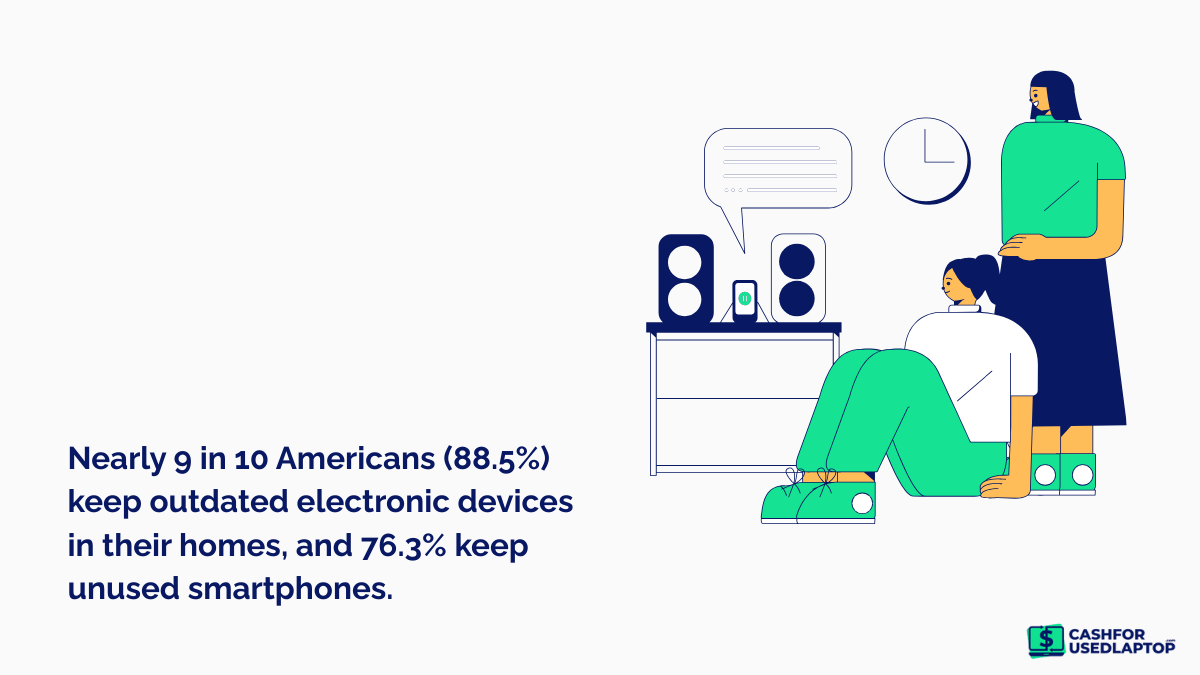
Another reason we cling to old devices is something called the Endowment Effect. Simply put, we tend to value things more highly just because they belong to us. For example, that $1000 dollar laptop you bought three years ago may still feel like a treasure while in the resale market it might only be worth a fraction of the price.
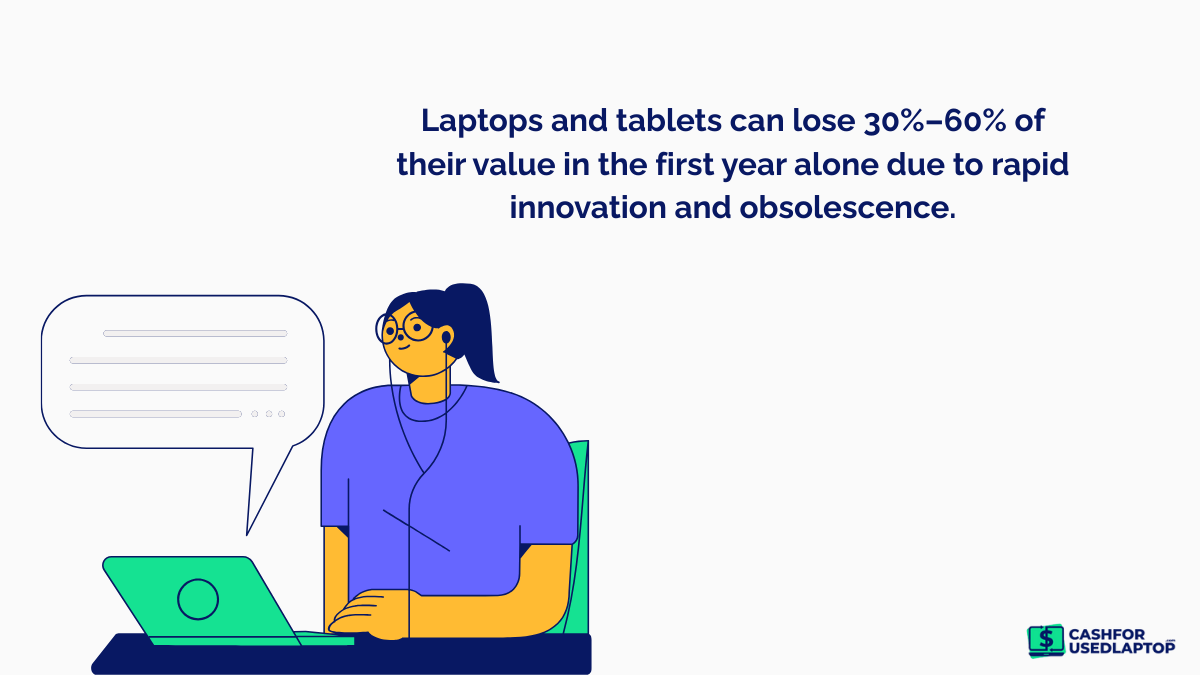
The gap between perceived value and real value is what creates the mental barrier. We keep telling ourselves that it could still be worth something later or that maybe I’ll get a better price if I wait a little longer.
But what we fail to understand is that tech depreciates rather quickly, and waiting can only cause the prices to go down. This is why drawers and closets become storage units for devices that have outlived their usefulness.
• Decision Fatigue
When letting go of old tech, there’s a lot to think about, including backing up files, wiping data, finding a legitimate recycler, or the right company to sell your laptop. All of this brainwork can feel endless and overwhelming.
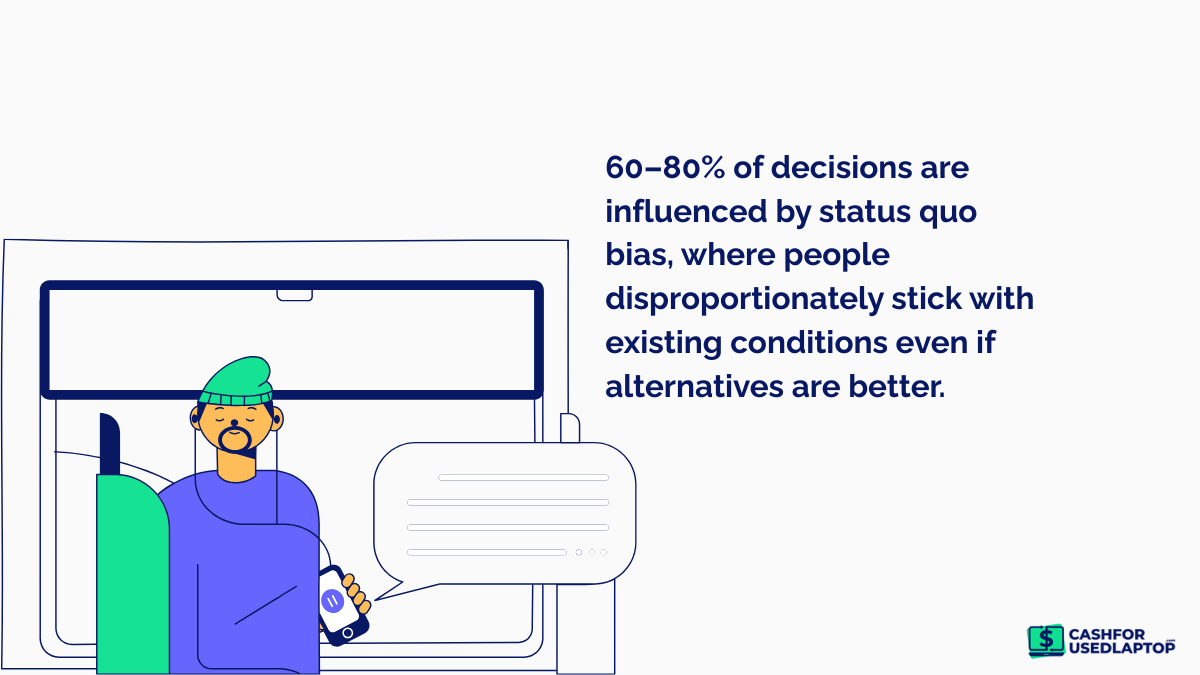
This is where decision fatigue comes in. According to studies, our mental energy depletes throughout the day, and we are more likely to avoid making choices altogether, and our devices end up sitting untouched for years.
And if you add the status quo bias to that, which is the natural preference for things to stay as they are, then it only adds more to the tech clutter. Even if we know that we should let go, our brains continue to nudge us to stay put.
• Security Paralysis
There’s one more reason we hold on to old tech, and it’s a very modern one: fearing data security. Even when a device is no longer useful, the information stored on it still feels personal. It’s hard to believe that photos, emails, passwords, and bank details are gone even after a factory reset.
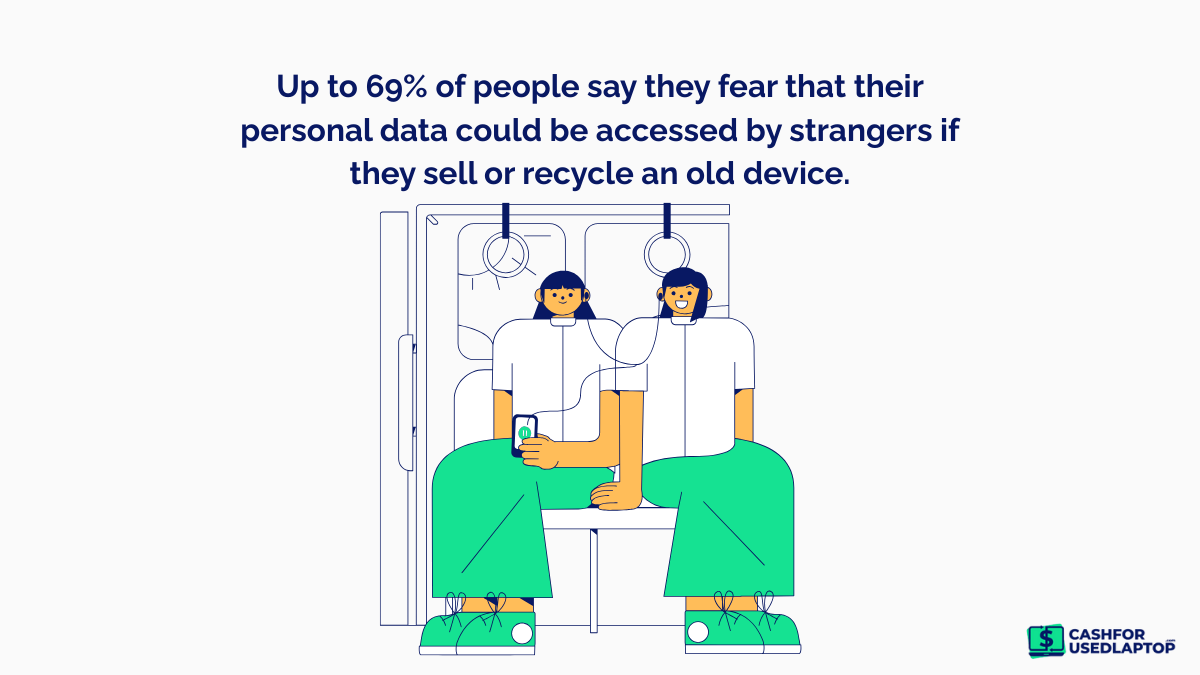
This creates what psychologists often describe as security paralysis. The perceived risk of a data breach feels far more immediate than the physical risks of keeping old devices around. In our minds, recycling or selling a device can feel like handing over a piece of our digital life to the unknown, which increases anxiety about the unknown.
Barriers to Letting Go
Even if you understand why you hold on to old tech, letting go is still not easy. For many people, the biggest obstacle might not be emotional at all and could be practical.
-
• Not Knowing Where To Start
For people doing it for the very first time, they wouldn’t know where to start. While options like selling, trading in, and recycling exist, they are not always obvious. Many people don’t know what the best route is for their device, and the confusion can lead to inaction.
• Low Returns
“Why bother? It probably won’t sell anyway.” Do you have the same thoughts? People believe that their devices are not worth much money and hence not worth it to go through the trouble of selling old gadgets.
• Lack Of Urgency
Since old tech does not demand a lot of attention, it is easier to ignore and forget. The postponement and lack of urgency keep the devices lying around forever.
• Sounds Like A Lot Of Work
Getting rid of old tech may require a lot of effort. You need to begin by cleaning the device with existing data, backing up necessary files, and checking its value to make sure it sells at a reasonable price. All of this can be overwhelming. And when the effort feels bigger than the reward, the drawer becomes the default storage space.
The Cost Of Holding Onto Old Tech
Keeping old devices around might feel harmless, but over time, it comes with real costs. They’re just quieter than we expect, which is why they’re so easy to ignore.
• Environmental Costs

Image Source: freepik.com/rawpixel.com
Sadly, old laptops, phones, and tablets do not disappear when you stop using them and end up contributing to the world’s ever-growing e-waste problem. These devices contain metals and materials that can be reused, but only if they are processed responsibly, and when they sit unused for years, the opportunity is lost.
• Financial Costs

Image Source: freepik.com/user6702303
The longer you leave your device in the cupboard, the more its value depreciates, it is best to sell the laptop while it still has good value. In many cases, people don’t realize they’re holding onto money they could have already used, simply because the device felt easier to keep than to sell.
• Mental Costs

Image Source: freepik.com/wayhomestudio
Clutter is not just a messy space, but it is also a mental load. Not getting rid of the devices can leave background stress, and that only adds up over time. Even if you don’t consciously think about the old phone in your drawer, it still contributes to that feeling of having “too much stuff.”
The Art Of Letting Go
Letting go of old tech does not have to feel overwhelming or emotional. Once you understand why you hold on to it and what it costs you, the process becomes much more manageable. You should approach it with intention rather than pressure.
• Data First, Device Second
Data should be the first to go. Remove all the informant data from your laptop, but keep in mind that a simple factory reset is not enough. A certified recycler can wipe your data completely to ensure there is no data breach.
• Choose The Right Exit
There’s not a one size fit all solution for devices. Some laptops still have resale value and can be sold for cash. In that case, connect with Cash For Used Laptops and get a good deal on your old devices.
• Make It A Habit
Do not wait for the clutter to add up, instead make decluttering a habit you can check on it every 4-6 months. This way, you can prevent your drawers from filling up and getting rid of the devices you do not use anymore.
Conclusion
Holding on to old tech is rarely about the device itself. It is more about memories, or the fear of regret or uncertainty, and all the effort it takes to make a decision. Once you understand this, you won’t feel guilty when letting go.
Letting go does not mean losing a part of your past. It means making space, mentally and physically, for what actually serves you today. So whether you choose to sell, recycle, or responsibly dispose of your devices, the goal is progress, not perfection. Start your digital detox today with Cash For Used Laptops!