Why Used Business Laptops Are Becoming a Global Tech Trend
Image Source: iStock.com/Oleksandr Hruts
Every year, companies replace thousands of laptops during routine technology upgrades. The surprising part? Many of these machines are still perfectly capable of handling everyday work. Instead of going to waste, many retired corporate laptops enter the secondary market and find new users, like tools being passed from one craftsman to another.
Startups, schools, freelancers, and small businesses often seek reliable devices at more accessible prices. So, refurbished or pre-owned business laptops have become a practical alternative to buying new devices.
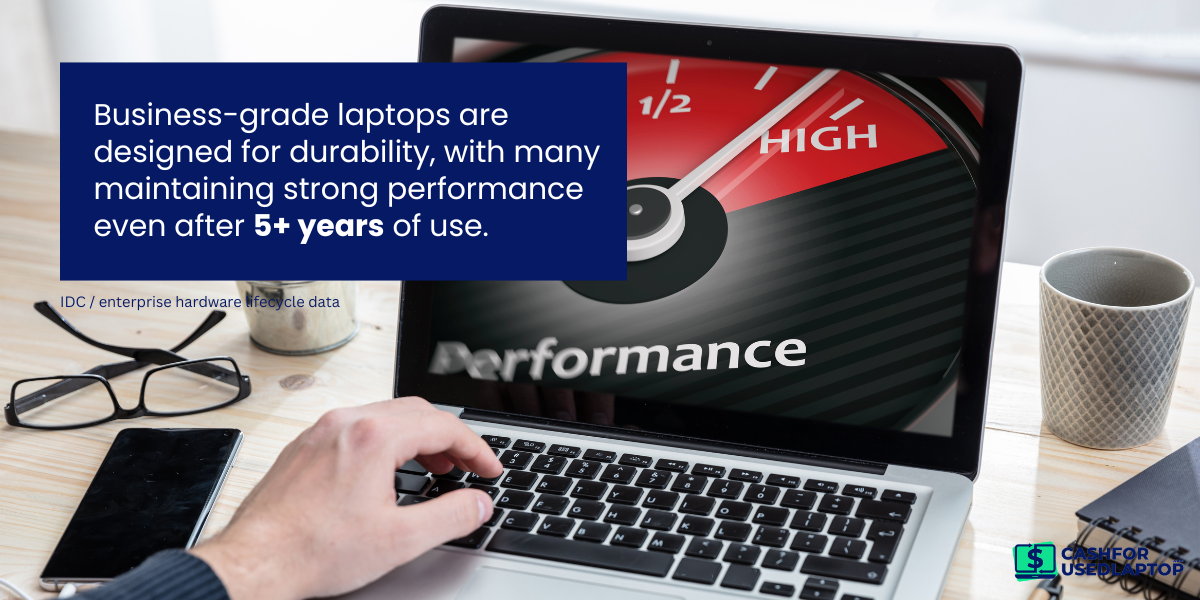
A strong build quality is what helps prolong the overall value of such devices. These laptops are designed for durability and long-term performance so that they remain reliable even after several years of use, like professional tools rather than disposable gadgets.
Did you know? Customers especially seek out popular enterprise models such as HP EliteBook, Lenovo ThinkPad, and Dell Latitude. Partially because of the reliability and performance factors.
This has led to the growth of a strong market for used and refurbished laptops. The secondhand laptop market continues to expand as buyers look for affordable computing options.
The Global Refurbished Laptop Market Is Growing Rapidly
Refurbished laptops aren’t a passing trend anymore; they’re becoming a permanent fixture in the global tech market. And the reasons are simple: affordability and sustainability have moved to the top of everyone’s priority list.
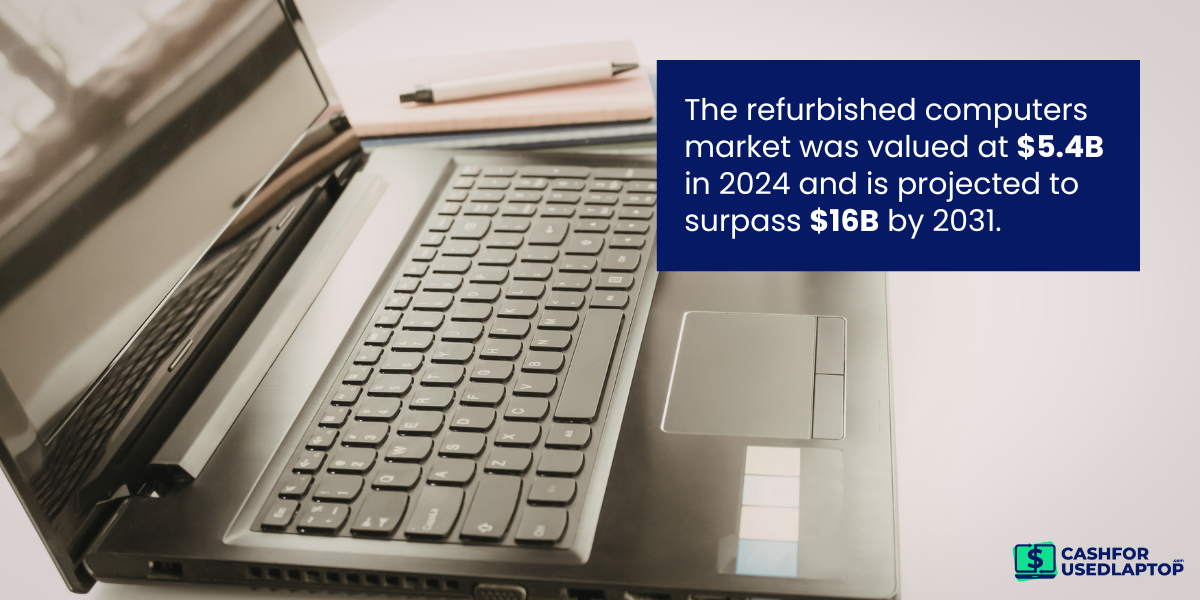
According to a report by Global Market Insights, the refurbished computers and laptops market was valued at around $5.4 billion in 2024. Forecasts suggest that it could grow to over $16 billion by 2031. But why the jump? That’s because people are starting to think differently about technology. Instead of discarding devices too soon, more buyers are extending their useful life. Digital inclusion programs, better repair standards, and sustainability initiatives are all helping fuel this growth.
Understanding the Demand for Used Business Laptops
Used business laptops are no longer being viewed as outdated devices. Instead, they have become an important part of the global technology supply chain, supported by multiple market trends. Let’s have a look at the factors responsible for this growth:
Businesses Are Upgrading Hardware More Frequently
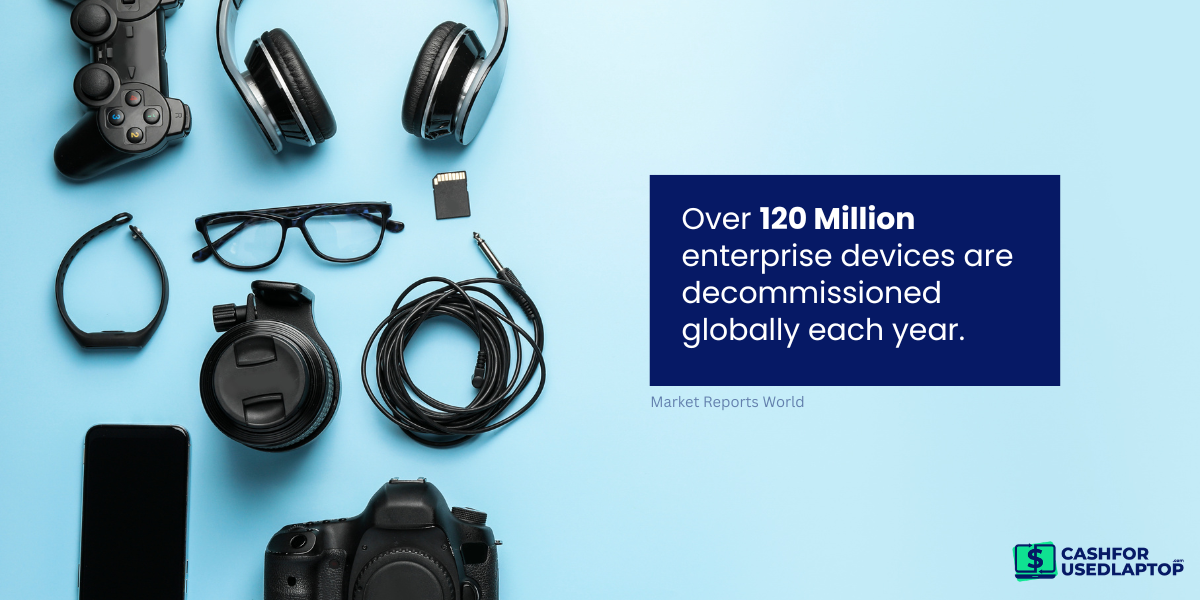
In the past few years, corporate device refresh cycles have become shorter. In many cases, employees now replace their laptops every three to four years to maintain performance and strengthen security. This refresh cycle also aligns with how laptops depreciate over time, which influences when businesses decide to upgrade devices.
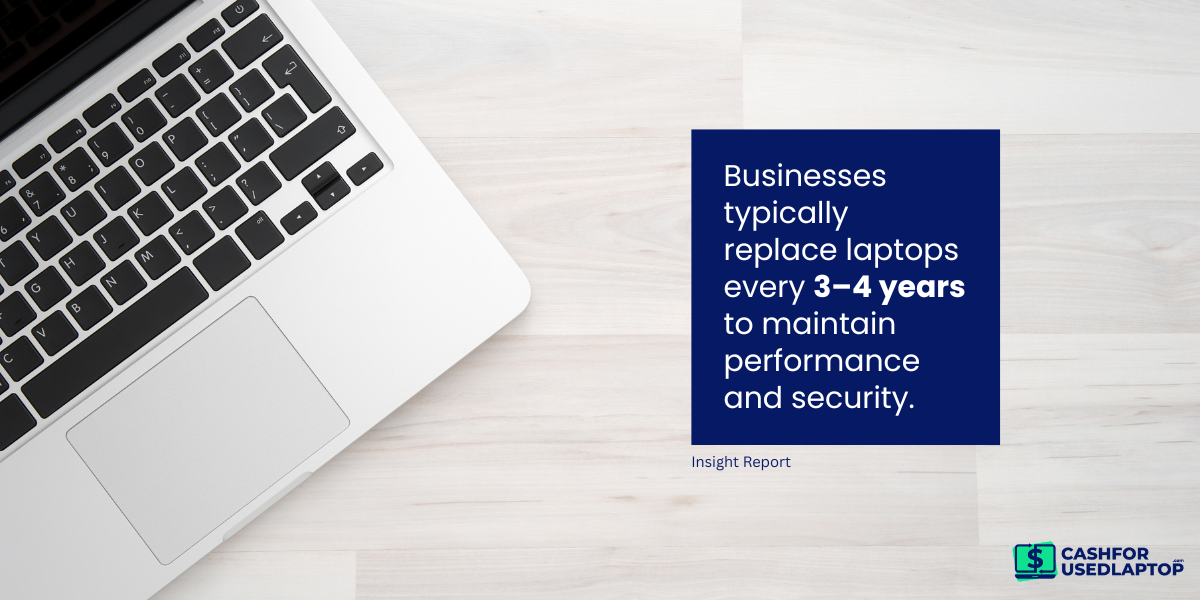
But the laptops that are being retired are often still in good working order. Once resold or refurbished, these devices become reliable options for buyers seeking affordable hardware.
Significant Cost Savings for Buyers
As you would expect, price is a major factor. Pre-owned business laptops are often 30–50% cheaper than new models. For startups, students, small businesses, or remote workers, that’s a huge deal.
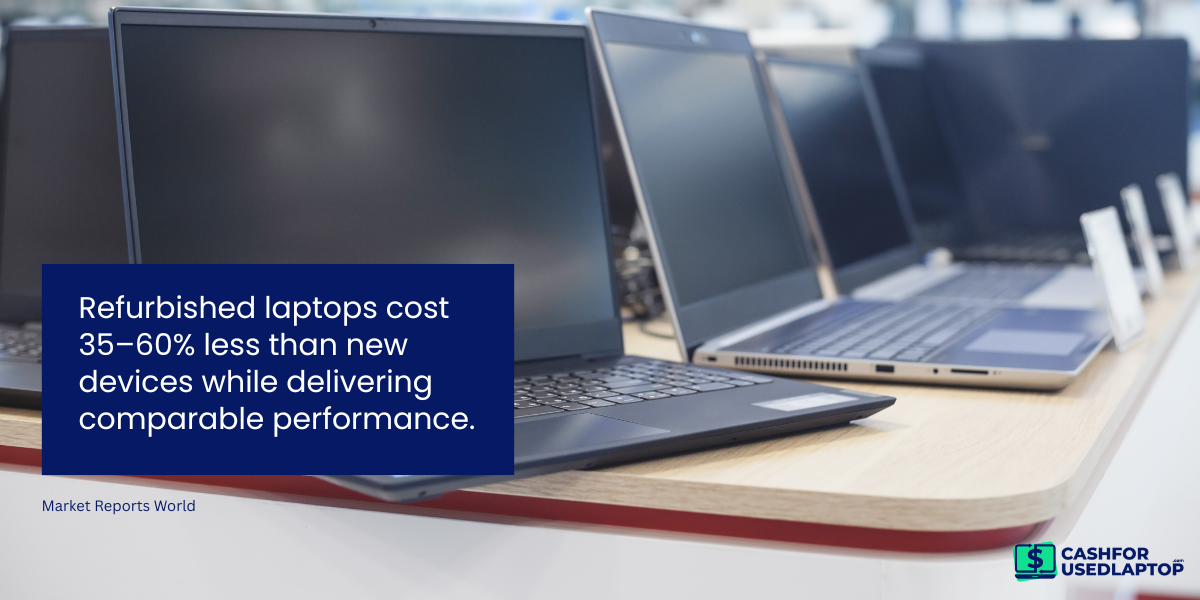
The price advantage makes reliable computing much easier to get for startups, small businesses, students, and people who work from home. Instead of buying new laptops at the entry level, buyers can often get business models with better performance for a lot less money.
Business-Grade Laptops Are Built to Last
Not all laptops are built the same. Business laptops, like the enterprise models used in offices, are designed for durability, reliability, and long-term performance. Examples include Dell Precision, HP ZBook, and Lenovo ThinkPad P Series, which are commonly used for professional workloads and intensive tasks.
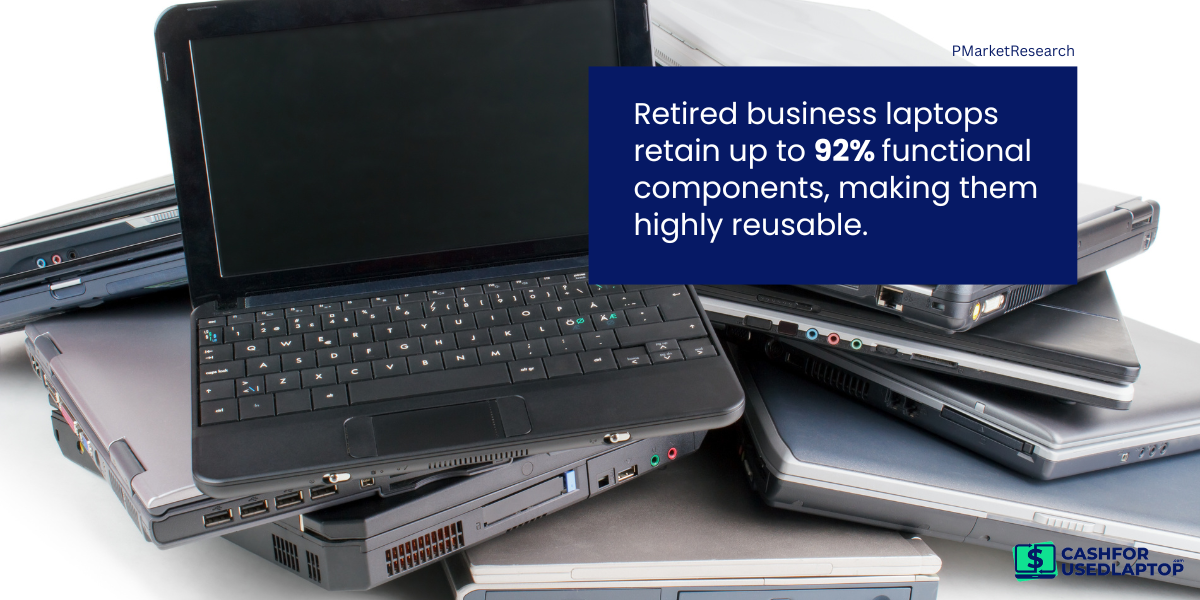
These machines usually have better build quality, better cooling systems, faster processors, and long-lasting batteries. Because of their durability, such laptops are still reliable despite several years of use.
Sustainability and E-Waste Concerns
Another major factor driving demand for used laptops is growing awareness of electronic waste. Were you aware that small IT/telecom equipment (phones, laptops, printers) accounts for 4.6 million tonnes, with only 22% being recycled? And the rest contributes to environmental pollution and unnecessary resource consumption
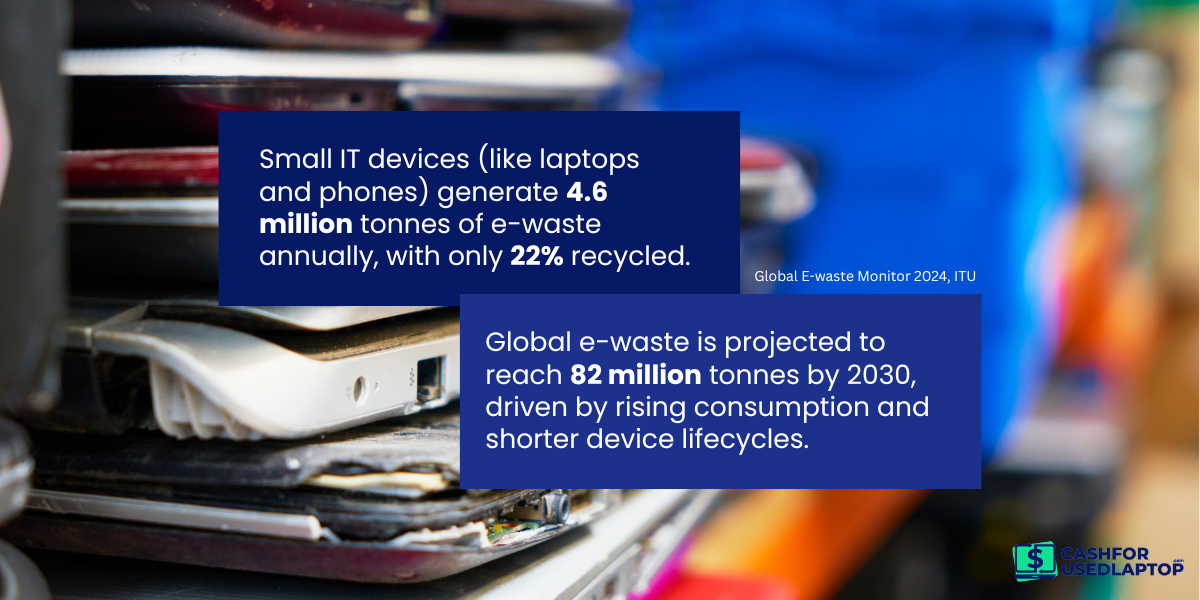
Refurbishing and reusing laptops extends their lifespan and keeps more electronics out of landfills. This supports a circular technology economy where devices are reused rather than discarded.
Companies with sustainability goals can buy refurbished equipment or sell unused devices so that they can be used again. Can you imagine how much this can help the environment and make better use of the technological resources already available?
These gadgets keep giving value while lowering the need for new production and resource extraction, so they don’t end up as waste. Sometimes, a device that once sat unused in a storage room can end up supporting someone’s daily work or education.
Improved Refurbishment Standards
In the past, some buyers hesitated to purchase used laptops due to concerns about quality or reliability. These days, refurbishment procedures have greatly improved, increasing the dependability of used electronics.
Nowadays, the majority of refurbished laptops undergo extensive hardware testing, diagnostics, secure data wiping, operating system reinstallation, and necessary component repairs or replacements. Apart from that, a lot of vendors offer quality grading, warranties, and cosmetic restoration.
For example, before being resold, a refurbished laptop might get a new SSD, a brand-new battery, and a clean operating system. The device will function dependably for its next user, thanks to these enhanced standards.
Expanding Global Digital Access
Access to affordable computing devices has become more critical as digital work, remote learning, and online services continue to expand globally.
Used business laptops provide dependable technology at lower prices, which helps close this gap. For many organizations, that difference in cost matters. They are widely used by educational institutions, startups, small businesses, nonprofits, and remote workers. For many startups, this can mean equipping an entire team with reliable devices without exhausting their initial budget.

Startups can buy used business laptops to set up their first teams without incurring high upfront costs. However, schools in developing regions frequently rely on refurbished laptops to equip computer labs. They are often the first affordable gateway to digital learning and online work opportunities.
The secondary laptop market helps more people access reliable computers—especially in regions where new devices are too expensive.
The Opportunity for Businesses
The increasing demand for used business laptops presents a useful opportunity for businesses modernizing their IT infrastructure to handle their retired hardware more efficiently. Not only that, organizations are left with devices that may no longer satisfy internal needs but still have a strong resale value in the secondary market.
Instead of leaving retired laptops in storage, many companies now sell them through bulk laptop buyback or professional resale programs. In a way, they can recover value by selling retired laptops through reliable platforms, turning what once looked like obsolete hardware into a new opportunity.
This strategy ensures that functional devices remain elsewhere while helping organizations manage excess equipment effectively. Adopting a structured resale or buyback strategy allows businesses to:
- Recover a portion of their hardware investment
- Lower the cost of disposal and storage
- Support sustainability goals
- Contribute to the circular technology economy
By incorporating resale options into their IT asset management strategy, companies can turn retired laptops into a resource rather than a liability.
Final Thoughts
The growing demand for used business laptops shows how attitudes toward technology are changing. As businesses upgrade their equipment more frequently, a steady supply of corporate laptops becomes available for resale and refurbishment.
At the same time, more consumers are considering pre-owned devices due to factors like cost savings and robust business-grade hardware. Not only have the refurbishment standards improved, but there has also been increased awareness of sustainability. What was once thought of as antiquated technology is now acknowledged as a useful tool, promoting affordability and responsible use of technology.
This expanding market offers businesses a clear opportunity. Organizations can recover value by selling retired laptops through reliable platforms like CashforUsedLaptop, which specializes in bulk laptop buyback for businesses.