Refurbished Laptops in Education: Bridging the Digital Divide

In today’s classrooms, whether physical or virtual, having a laptop is a basic requirement. From completing assignments and joining online lessons to building digital skills that shape future careers, students need reliable devices to keep up. Yet, for many families, the cost of new laptops places this “essential tool” out of reach, widening the gap between students who can participate fully and those who fall behind.
This gap is what we call the digital divide, and it’s more than an inconvenience—it limits opportunity. But there’s a way forward. Refurbished laptops are stepping up as a smart, affordable, and sustainable solution. They save money, extend the life of technology, and reduce e-waste. Most importantly, they give students a fair chance to learn, grow, and thrive in a connected world.
Understanding the Digital Divide in Education
The “digital divide” is a term that’s become all too real in education. It refers to the gap between students who have access to technology and the internet, and those who don’t. On one side are learners who can log into virtual classrooms, research online, and complete assignments with ease. On the other side are students struggling to keep up simply because they lack a personal computer or reliable internet at home.

The scale of the issue is sobering. According to UNESCO, half of the total number of learners worldwide were left out of online learning during COVID-19 because they didn’t have access to a household computer, and 43% had no internet at home.
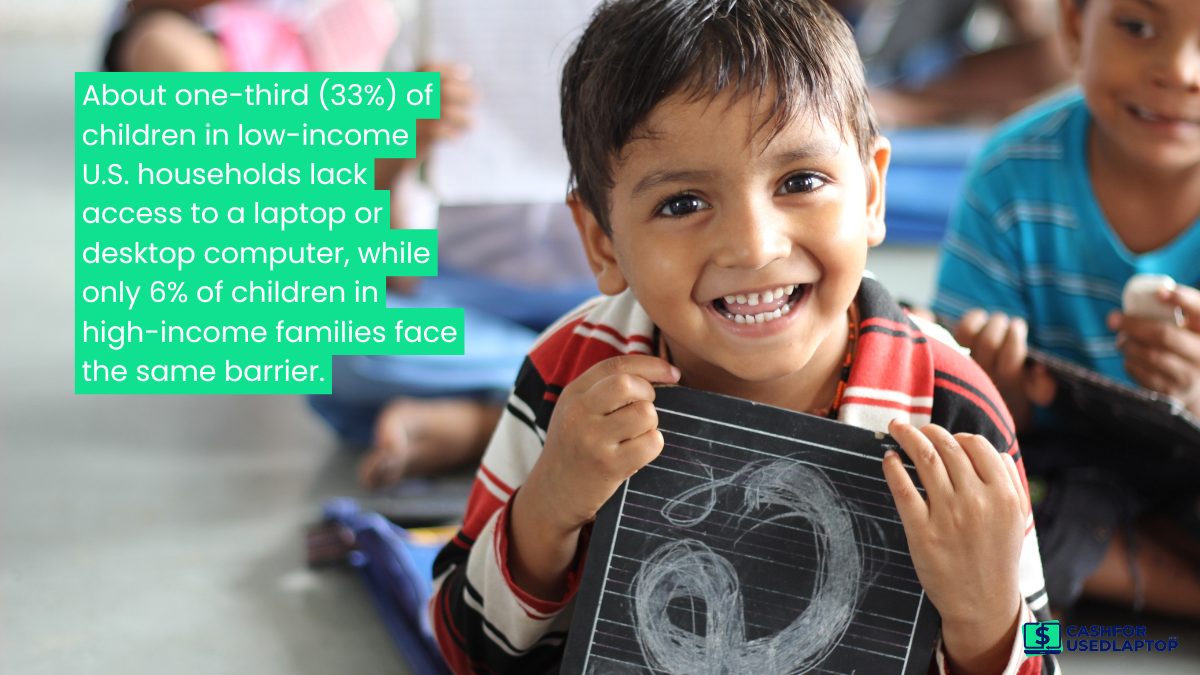
Even today, studies show that 33% of American kids living in lower-income households do not have access to a laptop or desktop computer, compared to only 6% of high-income families.
So, the impact is clear: without equal access, students risk falling behind academically, missing opportunities to develop digital skills, and facing barriers that can affect their long-term success.
How Refurbished Laptops Bridge the Gap?
The digital divide doesn’t just separate students by access to devices; it separates them by opportunity. Preferring refurbished laptops over new devices offers a practical, scalable way to close this gap. These secondhand machines are tools that make learning accessible, affordable, and sustainable.
Whether it’s giving students a chance to join virtual classrooms, helping teachers run tech-based lessons, or reducing the growing pile of electronic waste, refurbished laptops prove that innovation doesn’t always mean “new.” They create a balance between affordability, functionality, and responsibility so that every learner has the chance to thrive in a connected world.
1. A Win for the Environment
One of the biggest advantages of refurbished laptops is their role in reducing e-waste. Every time a laptop is repaired and reused, it stays out of landfills and avoids adding to the world’s growing pile of electronic waste.
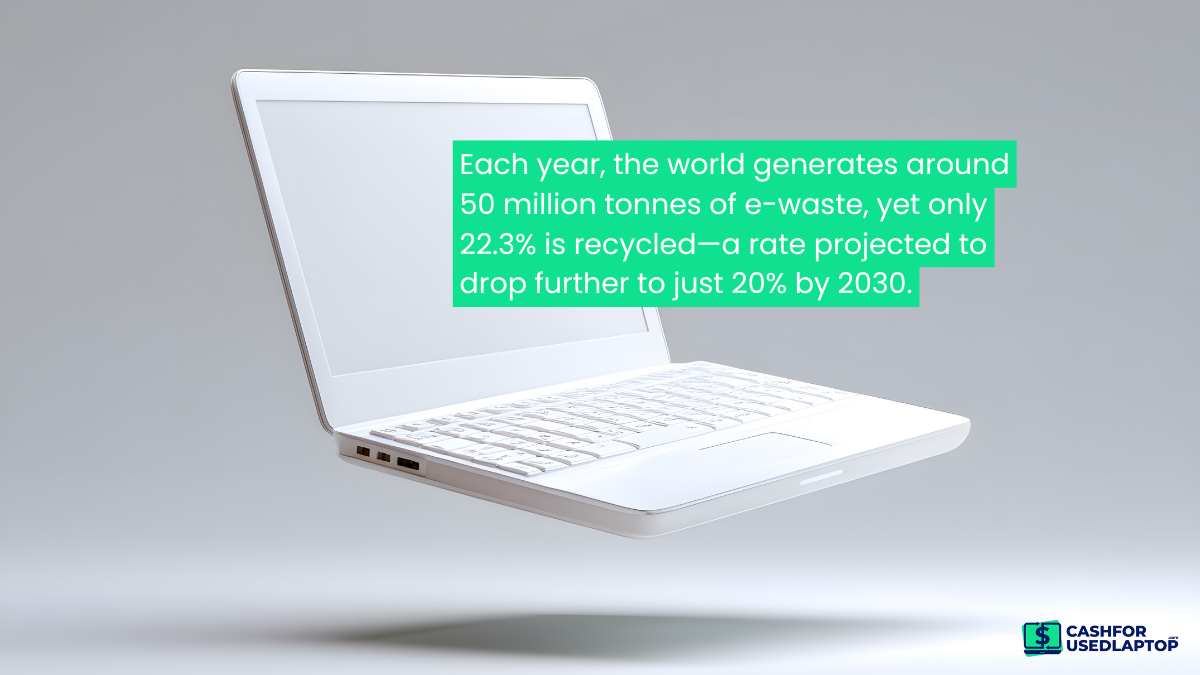
According to the UN, the world produces 50 million tonnes of e-waste every year, and only 22.3% is recycled, which is forecast to decrease to 20% by 2030. That means millions of devices are ending up as toxic waste, polluting soil and water.
Extending a laptop’s life reduces the need for new production, which in turn cuts down on mining, manufacturing, and shipping emissions. 80% of all CO2 emissions associated with electronic devices take place during the production phase, and that refurbishing devices results in 78% CO2 savings.
2. Empowering Students and Teachers
Refurbished laptops give students the tools they need to participate in today’s digital-first classrooms. With access to a device, learners can attend online classes, explore digital libraries, practice coding, and build creative skills through design or multimedia projects. For teachers, this means being able to integrate digital resources into lesson plans without worrying that some students will be left out.
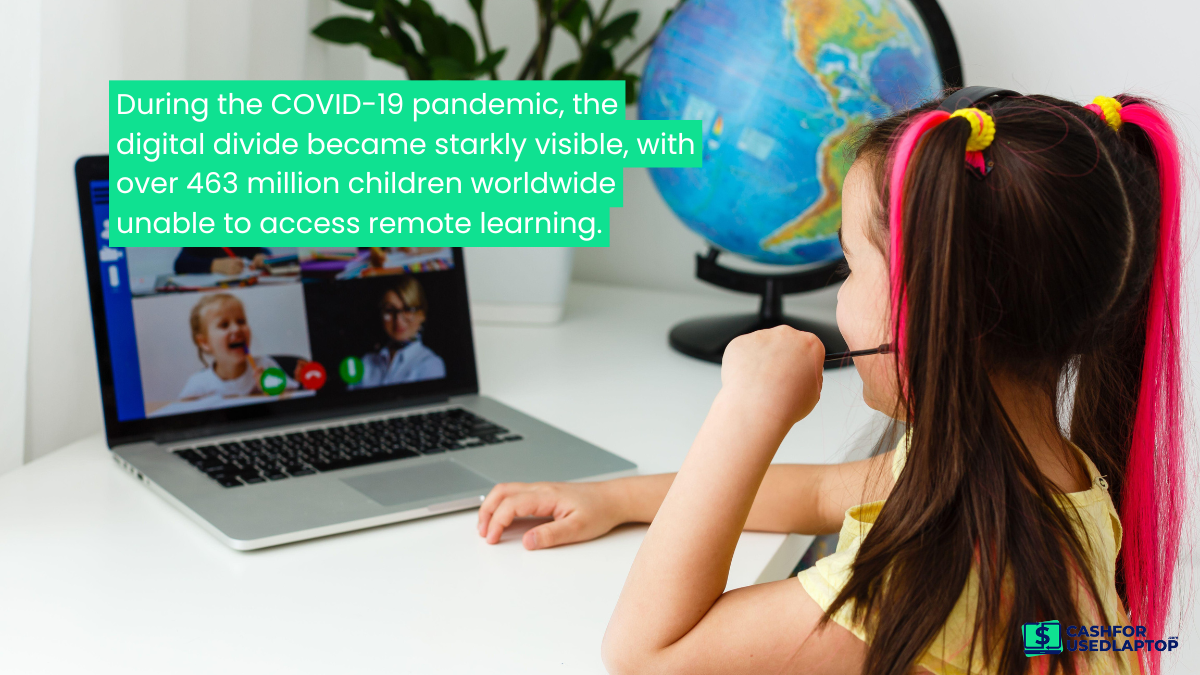
During the COVID-19 pandemic, the digital divide became painfully clear: at least 463 million children worldwide had no access to remote learning (UNICEF). Refurbished laptops directly address this challenge by making the best laptops for students handy, so they aren’t shut out of education simply because they lack devices. The result is more equitable classrooms where everyone has the chance to learn, share, and grow.
3. Making Technology Affordable
For many families and schools, buying new laptops for every student simply isn’t financially realistic. This is where refurbished laptops shine — they deliver reliable performance at a fraction of the cost. In fact, refurbished models usually cost 30–50% less than brand-new devices while still meeting the everyday demands of research, online learning, and productivity software.
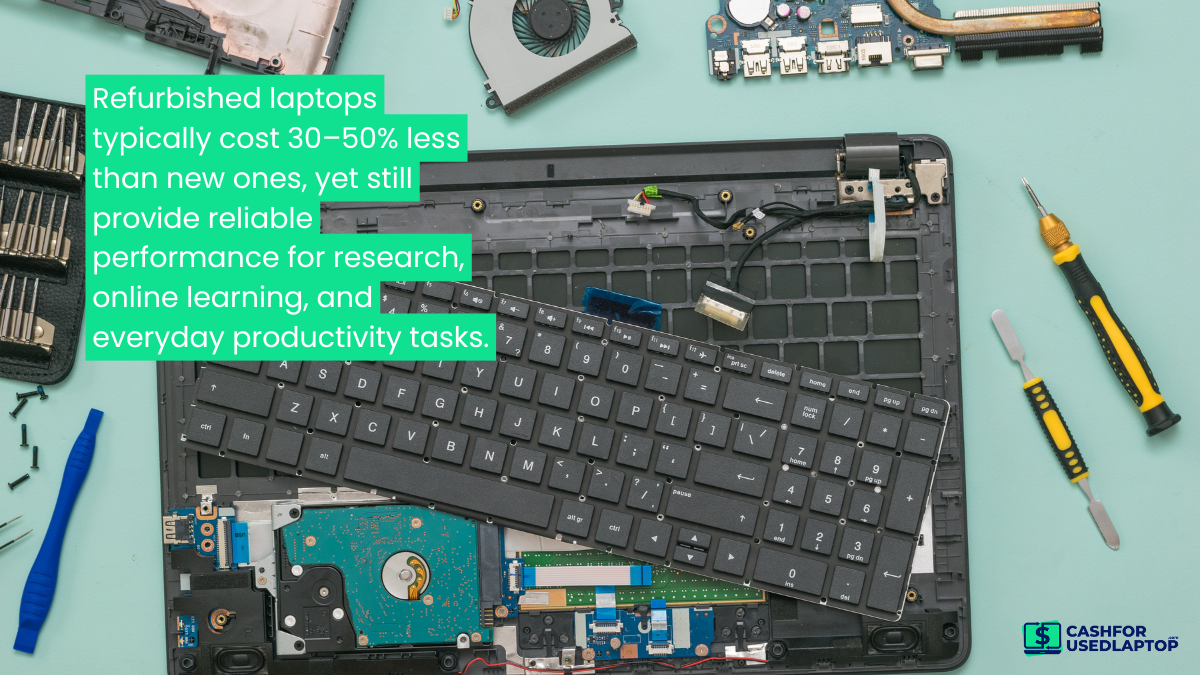
Schools can stretch their budgets further, equipping more students with devices, and families in underserved communities can finally afford technology that supports their children’s education. Many refurbished laptops are also tested, certified, and come with warranties, which adds a layer of reliability that makes them a smart investment.
4. Driving Equity in Education
Perhaps the most important benefit of refurbished laptops is their role in creating equal opportunities. Digital literacy is no longer a “nice-to-have,” it’s essential for both education and the workforce. In fact, according to an analysis of 43 million online job ads, 92% of jobs in the US labor market require digital skills. Without access to devices, students risk being left behind not just in school, but in their future careers.
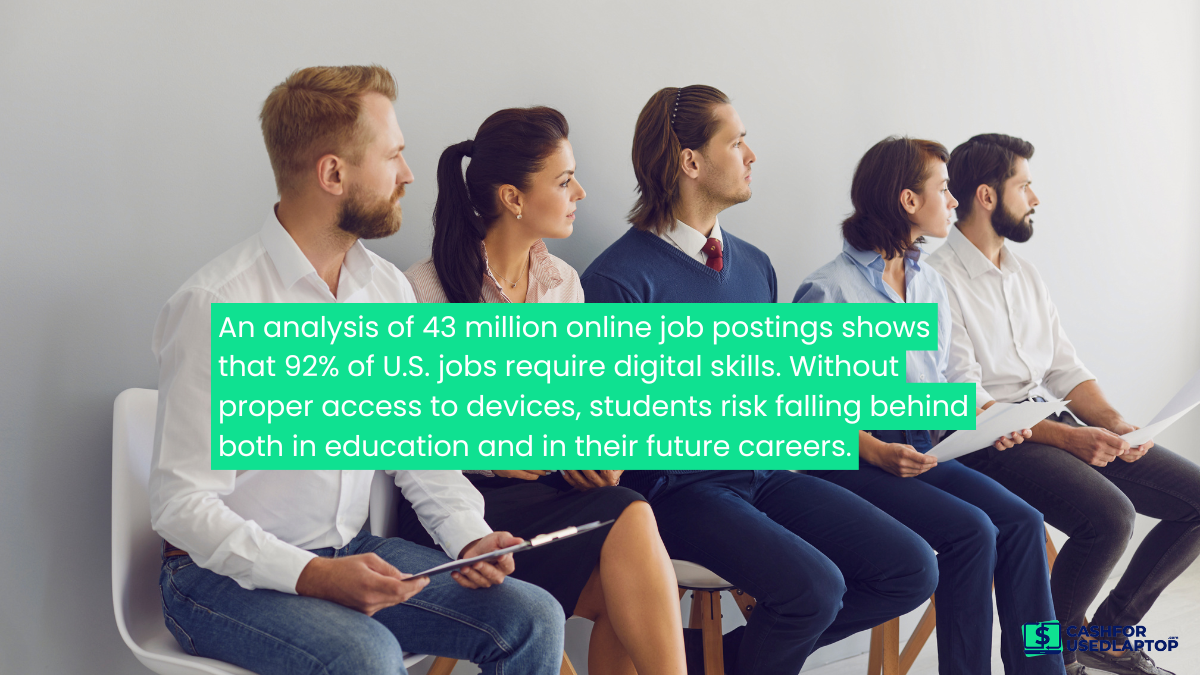
By providing affordable laptops, schools and organizations ensure that students from all backgrounds can participate in online classes, build digital skills, and prepare for a workforce that demands technological fluency. Refurbished laptops level the playing field, giving every student a fair shot at success.
Key Components of Refurbished Laptop Programs
Behind every successful refurbished laptop initiative is a process that ensures these devices are not only reused but also reliable for the students and teachers who need them most. From the moment a business decides to stop abandoning old laptops in storage to the final handoff to a student, every step plays a role in bridging the digital divide.
1. Device Donation
The process often begins with businesses, schools, and individuals donating devices they no longer need. Too often, laptops end up sitting unused in storerooms, gathering dust, or worse, eventually contributing to the growing e-waste problem.

Image Source: iStock/InspirationGP
Donation turns these idle machines into valuable assets. When companies retire hundreds of laptops during an upgrade cycle, donating them to refurbishment programs can make an enormous difference—sometimes equipping entire classrooms or even schools with much-needed technology. It’s a great opportunity to turn tech trash into treasure.
2. Professional Refurbishment
After collection, laptops are placed in the hands of expert technicians. Now, this isn’t a quick cleanup. Every device undergoes a thorough process: hardware is tested, faulty parts are repaired or replaced, batteries are checked, and operating systems are updated to ensure smooth performance.
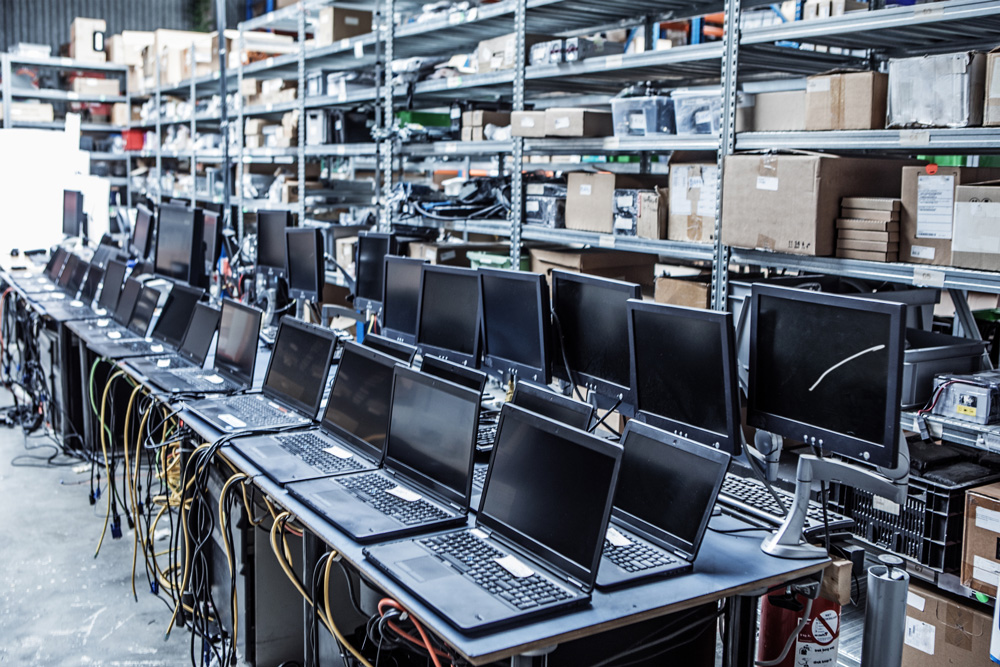
Image Source: iStock/Lorado
The goal is simple—deliver a laptop that performs almost like new. Many refurbished devices are even fitted with updated memory or storage so they can keep up with the demands of modern digital classrooms. This step guarantees that refurbished laptops work like new and can handle classroom demands such as video calls, research, and learning apps.
3. Distribution to Schools and Families
Once ready, the laptops are delivered to where they’re needed most. Nonprofits, educational organizations, and local governments often work together to identify students and families who lack access to devices.

Image Source: iStock/skynesher
In some cases, refurbished laptops are paired with internet packages or digital literacy training to ensure students can get online and use the technology effectively. This distribution stage closes the loop by turning unused machines into powerful tools that change educational outcomes.
Overcoming Concerns About Data Security
It’s normal to wonder whether a refurbished laptop or phone can really measure up. Common worries usually come down to three things: performance, warranty, and security.
The truth? Most refurbished devices go through rigorous testing and certification before resale. Hardware is checked, faulty parts are replaced, and the device is cleaned and updated to meet “like new” standards. Many retailers also offer warranty coverage and customer support, so you’re not left on your own.
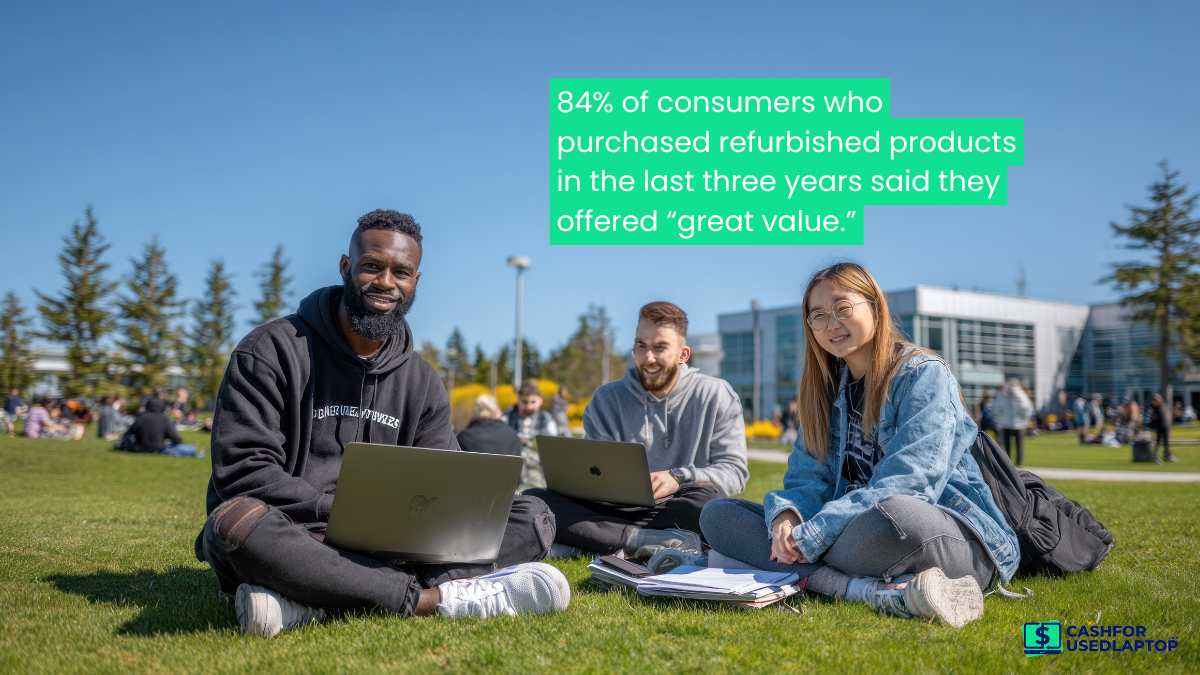
According to a survey, 84% of consumers who bought refurbished products in the past three years felt they were “good value.” With proper laptop maintenance, they last just as long as brand-new ones, without the hefty price tag.
And one more important point: before parting with your old device, always consider data security. Reputable refurbishers follow strict protocols to wipe or destroy data safely, protecting you while giving your device a second life.
Collaborative Initiatives and Partnerships Driving Digital Inclusion
Bridging the digital divide isn’t something a single organization can do alone. Schools, non-profits, governments, and businesses must team up to ensure students everywhere have devices, connectivity, and support.
Below are different types of collaborations already making an impact — real models we can learn from, adapt, and scale.
• Social Enterprises and Non-Profits
Social enterprises and nonprofit organizations are often the first to step in where market forces fall short. They refurbish donated devices, provide affordable connectivity, and deliver digital skills training to underserved communities. Their strength lies in being community-driven and mission-focused, making them agile enough to respond quickly to gaps in access.
For example, WorkVentures, a National Device Bank in Australia, along with other partners have collected, donated, refurbished, and distributed over 100,000 devices including laptops, tablets, and mobile phones so far.
• Government Programs
Governments can tackle the issue at scale, implementing national or regional policies that provide devices, subsidize internet access, or fund large-scale digital education initiatives. Their reach ensures that even students in rural or underserved areas can benefit from digital opportunities.
Since January 2022, the US General Services Administration (GSA) has transferred over 4,700 computers (devices a few years old and in working condition) to students across the US with an acquisition value of more than $1.5 million.
• Business and Community Collaboration
Private businesses and local communities have a critical role in closing the digital divide. Corporations often refresh their hardware every few years, and donating these devices instead of discarding them reduces e-waste while supporting education. Community groups can amplify these efforts by distributing devices locally and ensuring they reach the right students.
For example, Compudopt’s partnership with Micro Center shows how effective these collaborations can be. Together, they’ve provided over 111,000 refurbished computers to students while recycling hundreds of tons of e-waste.
Let’s Make Tech Access Fair for All!
Access to quality education should never hinge on the price of a laptop. By embracing refurbished devices, schools, parents, and organizations can extend opportunities to students who need them most. This isn’t only about affordability — it’s about building a fairer system where every child has the tools to learn, grow, and thrive. Closing the education gap is a collective responsibility, and choosing refurbished technology is one step we can all take together.