Green Tech: The Rise of Eco-Friendly and Recyclable Laptops in 2025

Remember when buying a laptop was all about speed, storage, and how sleek it looked? Fast forward to 2025, and sustainability’s a new must-have feature on the checklist. As the world drowns in mountains of e-waste, tech companies are under pressure to rethink how laptops are made and disposed of.
It turns out, the greenest upgrade isn’t just a faster processor or a brighter display, but a machine that’s kinder to the planet. From recyclable materials and modular parts to biodegradable packaging, today’s laptops are showing us that high performance and eco-friendliness can actually go hand in hand. And with consumers demanding greener choices more than ever, brands are stepping up to deliver.
So, if you thought “eco-friendly” only applied to your shopping bags or coffee cups, let us tell you that the laptops of 2025 are rewriting the rulebook on tech. Also, they’re proving that the future of innovation is green.
Why Eco-Friendly Laptops Matter in 2025?
It’s no secret that our love for gadgets comes with a heavy environmental cost. Every year, millions of laptops (and other electronics) are tossed aside, many ending up in landfills or shipped overseas, where they pollute. In the US, over 112,000 computers (desktops + laptops) are discarded daily, totaling more than 41 million per year.

And the problem is only set to grow. The global electronics industry is projected to expand at a CAGR of 4.8% through 2027, which means more devices, more production, and more potential waste. That’s why sustainability in laptops matters now more than ever.

The good news? Consumers are pushing back. Around 72% of buyers say they’re willing to pay more for sustainable electronics, sending a clear signal to manufacturers. Plus, studies show that using recycled materials in electronics manufacturing can reduce energy consumption by up to 30%, making greener laptops better for the planet and smarter for the industry.
Looking at the big picture, eco-friendly laptops in 2025 aren’t just a feel-good choice; they’re fast becoming the most practical way to balance our tech obsession with environmental responsibility.
What Makes a Laptop Eco-Friendly?
When we say “eco-friendly laptops,” it’s not just a buzzword slapped on a shiny box. It’s about rethinking how these devices are built, powered, and eventually retired. In 2025, green laptops go beyond performance. They’re designed to minimize waste, reduce carbon emissions, and last longer than traditional models.
Let’s break down the key features that make a laptop sustainable.
1. Recyclable and Sustainable Materials

The core of an eco-friendly laptop lies in its build. Instead of virgin plastics or resource-heavy metals, manufacturers are turning to recycled aluminum, bioplastics, and reclaimed ocean plastics. These materials lower the environmental toll of mining and manufacturing and make laptops easier to recycle once they’ve reached the end of their life.
Some brands are even experimenting with plant-based polymers that decompose without leaving harmful residues. By shifting to sustainable materials, companies are cutting waste while giving laptops a premium, durable feel that rivals or even outperforms conventional builds.
2. Energy-Efficient Components

A laptop’s carbon footprint isn’t only in how it’s made, it’s also in how much energy it consumes daily. Eco-friendly models in 2025 are packed with low-power processors, advanced cooling systems, and sustainable batteries that extend life while consuming less electricity. Combined with energy-efficient displays and optimized software, these laptops reduce overall power usage.
For consumers, that means lower energy bills and more prolonged use between charges. For the planet, it means less strain on power grids and fewer emissions from energy production. In other words, greener laptops are a win for both performance and sustainability.
3. Modular and Repair-Friendly Design
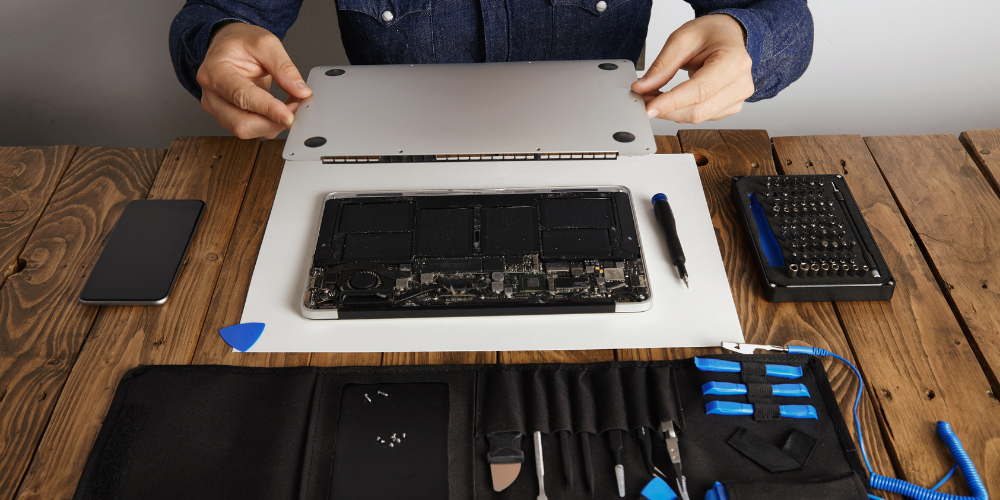
Gone are the days when a broken keyboard or dead battery meant tossing out the whole machine. Modular laptops in 2025 are designed with repairability in mind. These systems significantly extend a laptop’s lifespan, from easily swappable batteries to upgradeable memory and storage. Not only does this approach reduce e-waste, but it also saves consumers money by letting them upgrade instead of replacing.
With repair guides, standardized screws, and open-source parts becoming more common, modular laptops empower users with the right to repair and take control of their devices—making sustainability an everyday feature rather than a luxury.
4. Reduced Carbon Footprint in Production

Sustainability doesn’t stop at the laptop itself; it starts long before the product reaches your desk. Many tech companies are now adopting carbon-neutral or low-emission factories powered by renewable energy. Others are streamlining supply chains to cut unnecessary emissions from shipping and packaging. Even small changes, like switching to biodegradable packaging and water-based inks, make a difference when scaled across millions of units.
The result is a greener production process that minimizes environmental harm. By investing in cleaner manufacturing, brands are ensuring that eco-friendly laptops are sustainable from creation to consumer.
The Key Laptop Innovations in 2025
In 2025, laptop makers are tweaking existing designs by introducing breakthrough innovations that push the envelope of what “eco-friendly” can look like. Sustainable tech was at the core of laptop innovation in 2024; today’s innovations are all about reducing waste, lowering emissions, and closing the loop on materials. Below are the most exciting developments changing sustainable computing this year.
1. Biodegradable and Compostable Casings
One of the boldest leaps in green laptop design is the shift toward casings made from biodegradable or compostable materials. Rather than relying solely on aluminum or plastic, some brands are using bioplastics derived from plants, fungal mycelium, or other organic sources that can safely break down under composting conditions.
The advantage is twofold: the device still feels premium and sturdy, yet eventually returns to the earth without toxic residue. This approach lessens the burden on recycling systems, especially in regions without strong e-waste infrastructure.

For example, Sans Beast offers a striking collection of bags crafted from innovative plant-based and recycled materials, proving that style and sustainability can go hand in hand.

Meanwhile, Pony Rider brings its own eco-conscious flair with durable, thoughtfully designed bags that celebrate rugged functionality and responsible production.
2. Solar and Energy-Harvesting Charging
Imagine topping up your laptop battery via the sun—not just plugging it in. In 2025, several eco-laptop designs include integrated solar cells on lids or external “solar booster” panels. Others harvest ambient energy (like low-light indoors) to trickle power in standby mode slowly. These features reduce reliance on grid electricity and help in off-grid or low-power settings.
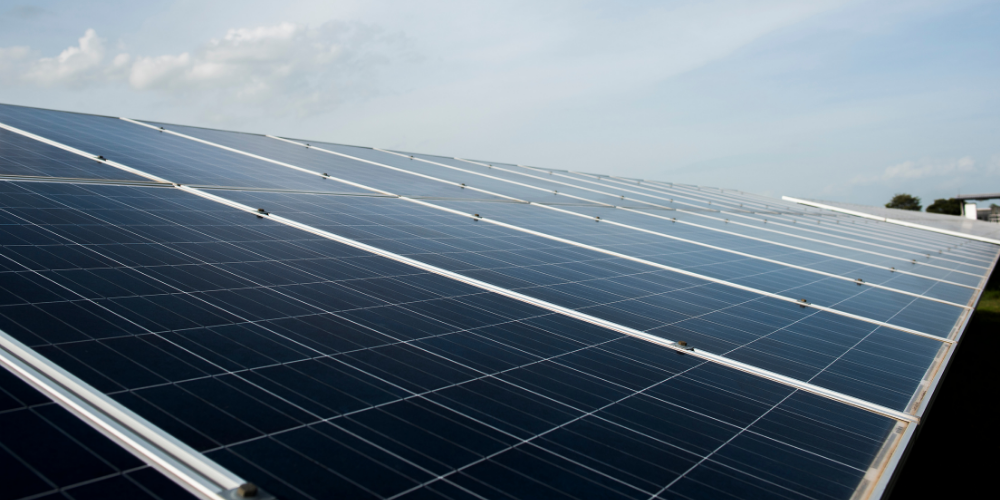
For users, that means less charging and more freedom; for the planet, it helps cut emissions tied to electricity generation.
3. Carbon-Aware Supply Chains and Manufacturing
It’s not enough to make a “green laptop” at the end; the entire journey from mining to assembly must shrink its carbon footprint. In 2025, some companies are deploying real-time carbon tracking systems, refusing to source from high-emission mines, and building factories powered by renewables.
Industry research shows the electronics sector is responsible for over 4% of global greenhouse gas emissions, and factory energy-efficiency measures can save up to 30% in energy use. Manufacturers can make sustainability part of the DNA by optimizing every link—transport, raw materials, factory operations—not just a label.
4. AI-Driven Energy Optimization
Laptops of 2025 don’t just consume less—they think less when they don’t need to. With AI making laptops smarter, machine-learning algorithms now dynamically adjust power draw: reducing clock speeds, scaling brightness, disabling components when idle, and managing background tasks in the greenest way possible.
This approach boosts energy efficiency, prolongs battery life, and reduces electricity demand with minimal sacrifice in performance. As the electronics industry seeks to rein in emissions, such “smart consumption” is becoming one of the key levers to balance performance and sustainability.
Leading Companies Driving the Movement
As consumer demand for greener electronics rises, some tech giants and nimble innovators are leading the shift toward eco-friendly laptops. What sets them apart is not marketing alone, but real commitments to sustainable materials, circular design, and lowered emissions. Below are several standout players pushing the boundaries in 2025.
1. HP: Recycling at Scale

HP has long positioned sustainability as a core pillar. Since 2022, HP claims that 100% of its new PCs and displays
include recycled materials. The company has used over half a billion pounds of recycled content across its products since 2019. Their eco-efficient efforts also extend to packaging, the use of ocean-bound plastic in speakers and bezels, and full recyclability. By integrating recycled metals and plastics into mainstream models (for example, its latest OmniBook and Envy lines), HP is showing that sustainability doesn’t have to come at the cost of design or performance.
2. Dell: Circular Design and Material Innovation

Dell has made bold moves in the domain of circular design and recycled materials. In 2024, the company incorporated over 95 million pounds of recycled or renewable materials (low-emission aluminum, bio-based plastics, and reclaimed copper) across its product lines. On the packaging front, more than 96% of materials are from reused, renewable, or recyclable sources. Dell’s hardware innovations include modular USB-C ports that screw in (instead of being soldered), as well as more accessible, replaceable battery systems using reduced or recycled cobalt. Their goal: reuse or recycle the equivalent of what they sell by 2030.
3. Acer: Biomaterials and Ocean-Bound Plastic

Acer is leaning into bold material innovation. Their Aspire Vero 16 laptop features a chassis made from 70% post-consumer recycled plastic combined with a bio-based oyster shell composite. The touchpad integrates “ocean-bound plastic,” and the packaging is 100% recyclable. Acer estimates that its production process for this model cuts CO₂ emissions by over 30% compared to conventional manufacturing. With repairability in mind (standard screws, modular parts), Acer is targeting both sustainability and usability in one package.
4. ASUS: Sustainable Materials + Certifications

ASUS has steadily integrated recycled and sustainable materials into its laptops. For example, the Zenbook A14 uses 90% post-industrial recycled aluminum for its chassis, and keycaps crafted from 50% ocean-bound and post-consumer plastics. ASUS also avoids plastic and glue in packaging, opting instead for FSC-certified paper. On the certification side, ASUS pushes for TCO, ENERGY STAR, and EPEAT labels, ensuring that their products meet third-party environmental benchmarks. Their supply chain goals include requiring assembly facilities to use 15% renewable energy by 2025 and helping suppliers lower emissions.
5. Apple: Carbon-Neutral Commitments

Apple has been one of the loudest voices in tech sustainability, and by 2025, it’s doubling down. The company’s MacBook Air with M2 was already its first carbon-neutral laptop, made with 100% recycled aluminum in the chassis and over 35% recycled materials across the device. Apple’s packaging is now plastic-free and relies instead on fibre-based materials. Beyond hardware, Apple has committed to making its entire supply chain carbon-neutral by 2030. What sets Apple apart is scale—introducing sustainable design not just in niche products, but in its flagship laptops that millions of people use daily.
The Role of Consumers in Driving Change
While tech giants may set the stage, consumers are the real driving force behind the sustainability shift. Every purchase is a vote, and in 2025, more buyers will choose eco-conscious options. Surveys show that more consumers are willing to pay a premium for greener electronics, and this collective demand has pushed companies to redesign laptops with recyclability, energy efficiency, and cleaner materials in mind.
But the impact goes beyond what we buy; it’s also about how long we keep it. Extending a laptop’s lifespan by even two extra years can significantly reduce its overall environmental footprint. Consumers can make a big difference by:
- Opting for repairs and upgrades instead of replacing laptops too quickly.
- Buying refurbished models to cut down demand for new raw materials.
- Trading in or reselling devices to ensure they re-enter the recycling chain.
Services like CashForUsedLaptop also play a crucial role in this cycle. Instead of gathering dust in a drawer—or worse, ending up in landfills—old devices can be:
- Repurchased and refurbished for resale.
- Recycled for valuable materials like aluminum, copper, and lithium.
- Safely processed to prevent toxic components from harming the environment.
This not only puts money back in consumers’ pockets but also ensures laptops are disposed of safely and have a second life. Sustainability is a partnership between brands and buyers. When consumers choose responsibly and recycle thoughtfully, they close the loop and accelerate change.
Challenges in Creating Sustainable Laptops
For all the progress in green tech, building a truly sustainable laptop isn’t as simple as swapping plastic for recycled parts. The road to eco-friendly devices is full of hurdles, both technical and economic:
Recycling Complexities
- Laptops contain a mix of materials (aluminum, plastics, glass, lithium, and rare earth elements) often fused together in ways that make disassembly difficult.
- Batteries and circuit boards, in particular, pose serious challenges. They require specialized recycling processes to recover metals safely without environmental harm.
Balancing Performance with Sustainability
- Today’s users expect thin, lightweight machines that also deliver speed and battery life.
- Designing laptops with modular parts (for repair and recycling) can add bulk or reduce efficiency, creating a constant tug-of-war between eco-design and consumer expectations.
Cost Implications
- Using bio-based materials, recycled metals, and greener manufacturing processes often costs more than conventional production.
- These expenses can raise prices for consumers, even as demand for affordability in laptops remains strong.
The Future of Green Tech in Laptops
Looking ahead, the race toward sustainability and green tech in laptops will only accelerate. Here are some possibilities shaping the next decade:
- Fully Recyclable Laptops: Brands are working toward designs where every component, from the motherboard to the chassis, can be recovered or reused with minimal waste.
- Energy Harvesting: Future laptops may include solar-integrated panels, kinetic energy recovery, or wireless charging systems that sip renewable energy while cutting reliance on the grid.
- Biodegradable Components: Research into bio-based plastics and natural composites points to laptops that could eventually return safely to the environment rather than linger in landfills.
- Government Regulations: With growing pressure on e-waste reduction, governments worldwide may soon enforce stricter rules around recyclability, repairability, and carbon reporting for laptop makers.
Conclusion: The Road to a Greener Tomorrow
Eco-friendly laptops are no longer niche experiments; they’re rapidly becoming the industry standard. From recycled materials to AI-driven efficiency, sustainability is proving to be the next big innovation in laptops.
For consumers, the power lies in choice. Opting for repair, upgrades, or refurbished devices extends a laptop’s life. And when it’s truly time to say goodbye, recycling responsibly ensures those materials find their way back into the production cycle.
At the end of the day, every small action matters. So whether you’re buying smarter, repairing instead of replacing, or recycling your old tech, you’re part of the shift toward a greener tomorrow—one laptop at a time.