Apple vs. Dell vs. Lenovo – Depreciation Curve of Laptop Brands: Which Holds Value Best?
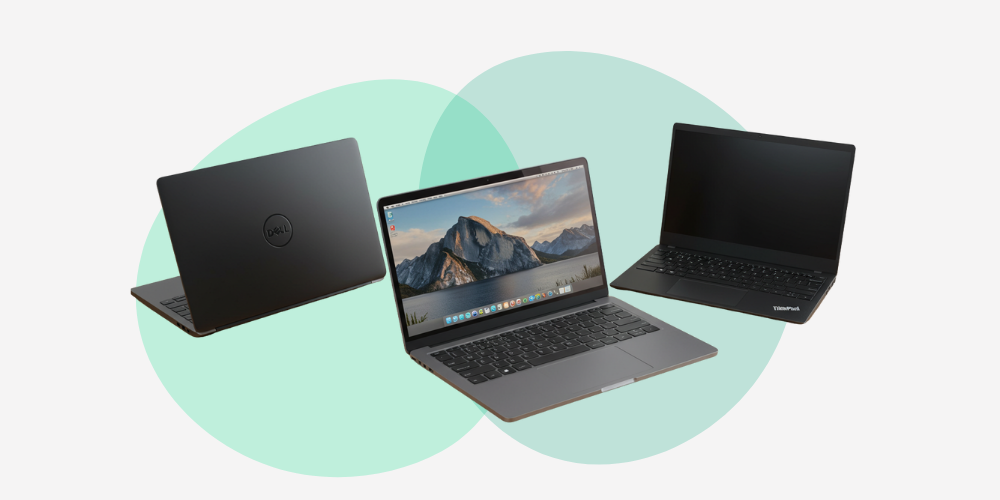
Laptops age a lot like cars: shiny and expensive on day one, but fast-forward a few years, and suddenly, they’re last year’s model with a fraction of the value. The question is: which laptop brands’ depreciation is the highest, and which actually hold their worth the longest?
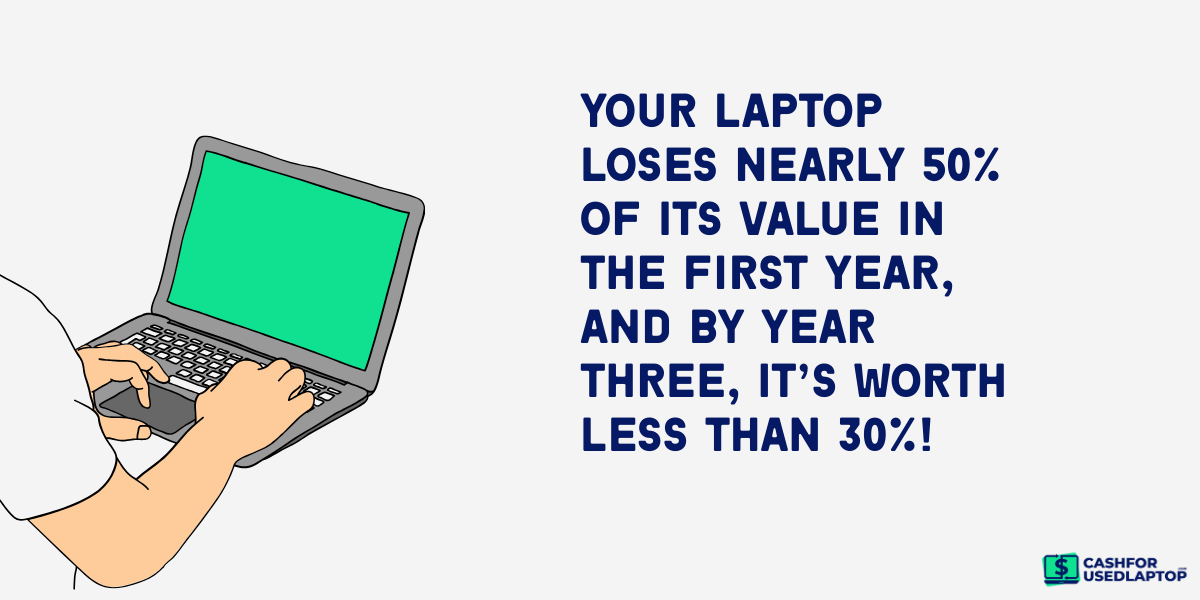
Electronics depreciate faster than you think—don’t let your laptop’s value vanish.
Depreciation is inevitable, but the curve isn’t the same across the board. Research suggests most electronics lose nearly 50% of their value in the first year alone, and by year three, some laptops struggle to fetch even 30% of their original price. That’s a tough pill to swallow if you’re upgrading regularly, or worse, managing a fleet of laptops for an entire company.
However, not all laptops sink at the same speed. Apple machines have built a reputation for commanding higher resale prices, but Dell and Lenovo aren’t lagging too far behind, especially with their business-focused models.
So why not compare well-loved laptop brands like Apple, Dell, and Lenovo, and see how they perform over a 3-5 year span? This way, you’ll discover which brand gives you the best bang for your buck when it’s time to resell or recycle.
What is Laptop Depreciation?
When you buy a new laptop, it feels like an investment. But unlike fine wine, tech doesn’t get better with age. Every laptop begins losing its value the moment it leaves the store shelf. How steep the laptop depreciation curve is depends on a mix of factors.
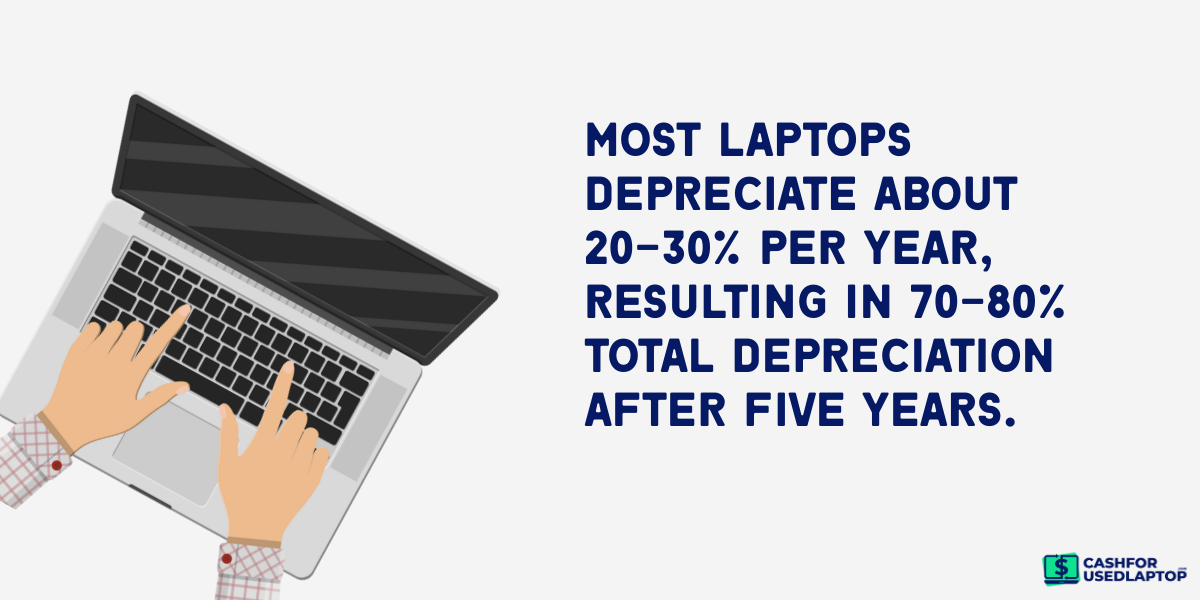
Some brands hold their worth longer, while others see their resale value plummet within just a couple of years. Learning what drives depreciation and how long a laptop should last can help individual users and IT managers make smarter purchasing and replacement decisions.
What Drives Laptop Value Down?
Apart from tech trends and innovations, several elements influence how quickly a laptop depreciates, including:
- New model releases – Fresh launches often make last year’s devices look outdated overnight.
- Hardware performance – Devices with slower processors, weaker batteries, or limited storage lose value faster.
- Build quality – Durable designs and premium materials often translate to better long-term resale value.
- Brand reputation – Some brands, like Apple, maintain stronger consumer demand and higher resale prices than others.
- Market demand – If a specific model is popular for work or gaming, it may retain value longer.
How Depreciation Is Measured
The laptop depreciation rate is typically tracked as the percentage drop from the original purchase price over time, usually across 1, 3, or 5 years. For example, if a $1,200 laptop sells for $600 after two years, it has lost 50% of its value.
For businesses, understanding depreciation is key to IT asset management. It determines when to refresh hardware fleets, how to maximize buyback programs, and how to reduce losses.
For individuals, it means determining how much your old laptop is worth, knowing when to sell it before its value bottoms out, and using the resale money to offset the cost of an upgrade. Let’s dig into the depreciation curves of Apple, Dell, and Lenovo.
Apple
Apple laptops are widely recognized for their sleek design and powerful performance. They also hold value better than most competitors. While their upfront cost is higher, many users view them as an investment because MacBooks often remain in demand on the resale market for years. Buyers are drawn to their durability, premium build, and the strong Apple ecosystem, which helps keep older models relevant for longer.
Over the years, the evolution of Apple MacBooks, from hardware improvements to more extensive software support, has also played a massive role in maintaining their strong resale value compared to other brands.
Depreciation Rates of Apple Laptops
Unlike many PC laptops that lose value rapidly, Apple devices tend to depreciate more slowly. On average, MacBooks lose about 20–25% of their value per year, and after three years, they can still retain 40–50% of their original price.
A popular estimate from TechParasol shows that:
MacBook Pro: On average, a MacBook Pro loses around 30.6% of its value in the first year, and by year three, depreciation reaches about 51.3%. While still strong compared to many PC brands, it doesn’t retain value as well as the Air.
MacBook Air: The MacBook Air performs even better, with only 17.1% depreciation in the first year and about 36.1% over three years. This makes it one of the best resale laptops in Apple’s lineup, consistently holding value longer.
Why Apple Holds Value Better
|
Key Factor |
How It Helps Resale Value |
|
Ecosystem Lock-In |
Seamless integration with iPhones, iPads, and other Apple devices keeps demand strong for second-hand MacBooks. |
|
Premium Build Quality |
Durable aluminum chassis and high-quality displays mean MacBooks age gracefully compared to plastic-built laptops. |
|
Extended Software Support |
Regular macOS updates for 5–7 years extend usability and make older models attractive to buyers. |
|
Brand Reputation |
Apple’s reputation for reliability and innovation enhances consumer confidence in buying pre-owned devices. |
|
High Demand in Secondary Markets |
MacBooks are consistently sought after by students, professionals, and creatives, driving stronger resale prices. |
Dell
Dell is a powerhouse in the laptop world. The brand offers everything from budget-friendly Inspiron models to high-end business machines like XPS and Latitude series. While Dell laptops tend to depreciate faster than Apple devices, the depreciation curve varies significantly based on model line, build quality, and usage.
So, whether you’re managing a fleet of business laptops or looking to sell an individual laptop, understanding these trends will save you from scams and help you make the most out of an old model.
Depreciation Rates of Dell Laptops
Dell laptops and desktops are trusted choices in both personal and business environments, known for their reliability and wide range of models. On average, Dell devices depreciate at around 25–30% per year, which is still attractive for buyers seeking solid performance at a lower entry price.
According to Gadget Salvation, the depreciation curve varies by model type and usage:
- Business and General Use Models: Standard Dell laptops used in offices or for everyday tasks typically lose 15–45% of their value annually under straight-line depreciation. Their performance and build quality help them stay relevant longer than ultra-budget devices.
- Gaming Models: The value of high-performance laptops often drops faster, falling 20–50% per year due to rapid hardware advancements and shifting market demand.
- Premium Lines (Dell XPS, Latitude): These hold their ground better. Over three years, they can retain 40–60% of their original value, performing significantly better than budget Dell models in the resale market.
Why Some Dell Laptops Retain Value Better
|
Key Factor |
How It Enhances Resale Value |
|
Premium Model Lines |
XPS and Latitude models, known for portability and solid build, hold value better than Inspiron or lower-end lines. |
|
Robust Hardware |
Configurations with SSDs, high RAM, i7/i9 CPUs, or dedicated GPUs fare better due to ongoing demand. |
|
Business-Oriented Design |
Latitude’s durability (e.g., spill-resistant keyboards, reinforced hinges) continues to appeal to enterprises even when resold. |
|
Strong After-Sales Support |
Dell’s reliable warranty coverage and repair services help maintain system integrity and resale confidence. |
|
Secondary Market Demand |
Dell’s gaming (Alienware) and business lines sustain buyer interest, slowing depreciation. |
Lenovo
Lenovo has carved a strong reputation in the laptop market, especially with its ThinkPad and Yoga series, which are widely used by businesses, students, and professionals alike. Known for their durability, ergonomic design, and competitive pricing, Lenovo laptops strike a balance between affordability and reliability. However, their resale value doesn’t always match Apple’s or Dell’s higher-end models, mainly because of brand perception and the availability of a wide range of budget options that depreciate faster.
When it comes to depreciation, Lenovo laptops typically fall in the mid-range of the spectrum. Their value retention depends heavily on the series: premium ThinkPads perform better, while entry-level IdeaPads or budget lines lose value more quickly.
Depreciation Rates of Lenovo Laptops
Lenovo laptops are favored for their sturdy build, business-first design, and general affordability, which you’ll notice when you how much your old laptop is worth. On average, Lenovo laptops depreciate at a rate of 20–30% per year.
Here’s how their depreciation stacks up, based on credible sources:
- Annual Value Drop: According to GoWholesale’s analysis of resale trends, Lenovo devices tend to lose value more sharply in the first two years, with an average depreciation of 25–30% per year, compared to Apple’s slower decline. Over a three-year span, most Lenovo laptops retain around 35–45% of their original value, depending on the model.
- Lenovo Resale Position: While not top-tier, Lenovo holds resale value better than some competing brands, helped by the continued demand for ThinkPads and premium models.
- Model-Specific Trends: Enterprise-grade models like ThinkPad X1 Carbon and Yoga series maintain relatively strong secondary demand, whereas entry-level models depreciate faster.
Why Lenovo’s Resale Value Varies
|
Key Factor |
Impact on Resale Value |
|
Model Range |
A wide lineup means premium ThinkPads/Yoga hold value well, but budget IdeaPads depreciate faster. |
|
Durability and Build |
Strong build quality in ThinkPads helps extend life and resale appeal. |
|
Enterprise Adoption |
Popular in corporate settings, ThinkPads retain demand in secondary markets. |
|
Software and Support |
Consistent driver/firmware support improves longevity, but not as extensive as Apple’s OS updates. |
|
Brand Perception |
Viewed as reliable but not ‘premium luxury,’ which impacts resale value. |
Apple vs. Dell vs. Lenovo: A Side-by-Side Comparison
Now you know that when it comes to selling a used laptop online, not all are created equal.
If we look at the laptop value comparison over three to five years, Apple, Dell, and Lenovo each follow a distinct depreciation curve shaped by brand reputation, build quality, and market demand. These trends help IT managers and individual buyers make smarter purchase and resale decisions.
Here’s a quick comparison of laptop brand depreciation over a span of 3-5 years.
|
Brand |
Value Retained After Years |
Value Retained After 5 Years |
Notes |
|
Apple (MacBook) |
50–60% |
35–40% |
Holds value the best due to strong demand, longer OS updates, and a premium build. |
|
Dell |
35–50% |
20–30% |
Business models (XPS, Latitude) fare better than consumer or gaming lines. |
|
Lenovo |
40–55% |
25–35% |
ThinkPads and Yoga series hold stronger resale value; budget lines depreciate faster. |
So, Which Brand Holds Better Value?
When it comes to resale, Apple typically takes the lead. Its strong ecosystem, premium design, and consistent demand in secondary markets make MacBooks the safest bet for long-term value retention. A three-year-old MacBook can still command impressive prices compared to most PC alternatives.
That said, business-grade Dell and Lenovo models, such as the Dell XPS, Latitude, and Lenovo ThinkPad series, narrow the gap. Their durability, enterprise demand, and IT-friendly features make them attractive in corporate buyback and IT asset recovery programs.
Ultimately, the “best resale laptop” depends on your priorities:
- If you want maximum resale value and ecosystem benefits, Apple wins.
- If you’re in corporate IT or need cost efficiency, premium Dell and Lenovo models offer strong mid-term returns without the Apple price tag.
Verdict: Apple dominates in resale value, while Dell and Lenovo business lines hold their own in enterprise environments, giving organizations reliable recovery on IT investments.
The Key Takeaway
Laptop depreciation impacts your budgeting, IT lifecycle planning, and eventual resale. While Apple leads in long-term resale value, Dell and Lenovo deliver strong returns in business settings.
So, before buying your next device, factor in depreciation, and if you’re ready to upgrade, sell your laptop today at CashForUsedLaptop to maximize its value.