Why Finance Sector Laptops Have Higher Resale Value?
Most laptops start losing value the moment they are deployed. But in the finance sector, some devices manage to hold their worth far longer than expected.
As observed in most industries, laptops depreciate quickly as newer models replace older ones and performance demands continue to evolve. But we bet you didn’t know laptops used in the finance sector often follow a different pattern! Even after years of use, many of these devices retain a higher resale value compared to typical business laptops.
Because of this, these laptops are often still in great shape, both physically and functionally, when they are retired during regular refresh cycles. This makes them very popular on the secondary market, where people want reliable, business-grade devices at a lower price.
We believe that understanding why laptops in the finance sector hold their value better can help businesses manage their IT assets more effectively. It also shows that structured resale or buyback programs can help you get more money when you sell old equipment.
Key Factors Driving Higher Resale Value
The higher resale value of finance sector laptops is not accidental. It is driven by a combination of hardware quality, usage patterns, and structured IT practices. One of the most important factors is the level of specifications these devices are built with from the start.
1. High-End Specifications
Finance sector laptops are typically configured to handle data-intensive applications. To support this, organizations invest in devices with higher specifications that remain relevant for years.
These laptops often include:
- Powerful multi-core processors for complex workloads
- Higher RAM configurations for smooth multitasking
- Fast SSD storage for improved speed and efficiency
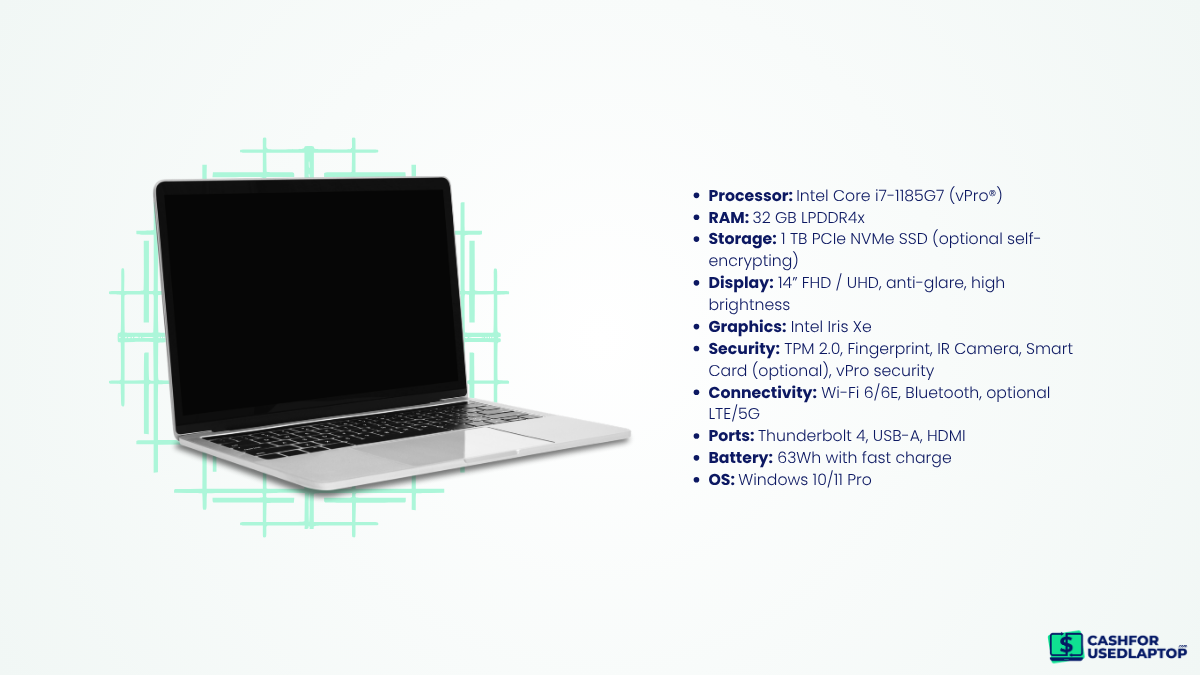
For example, a financial institution may deploy devices such as the Dell Latitude 7420 or HP EliteBook 840 G8, typically configured with an Intel Core i7 processor, 16GB of RAM, and SSD storage.
After a few years of use, these laptops may be replaced as part of a refresh cycle. Because of these features, they do not become outdated as quickly as standard consumer laptops. Even after being retired, they continue to deliver reliable performance, making them more valuable in the resale market.
2. Better Maintenance and Usage Conditions
In the finance sector, laptops are usually used in controlled office settings. Employees often work at fixed desks, and devices are handled with greater care due to the nature of the work. Thanks to this, the laptops haven’t experienced any significant wear and tear over time.
Key factors include:
- Minimal physical handling
- Limited exposure to dust, heat, or external damage
- Regular software updates and performance checks
- Timely repairs and component replacements when needed
In case you didn’t know, Lenovo ThinkPad T14s are commonly used in corporate finance environments. They’re typically used at fixed stations on a minimal day-to-day basis. Over time, this sort of usage results in fewer scratches and stable internal performance. When resold, these laptops are more appealing to buyers and often achieve higher prices.
3. Structured Refresh Cycles
Typically, financial organizations follow well-defined IT refresh cycles in which laptops are replaced at regular intervals, often every three to four years. This approach ensures consistent performance, reduces risk, and supports systems with modern software requirements.
Instead of storing outdated hardware or delaying disposal, businesses are increasingly adopting bulk laptop buyback programs to recover value efficiently.
As a result, the secondary market receives devices that are:
- Well-maintained and professionally managed
- Relatively new in their lifecycle
- Fully functional and performance-ready
- Suitable for current business needs
For example, large financial organizations using standardized fleets like the Dell Latitude 5000 Series often follow a fixed 36-month refresh policy.
At the end of the cycle, these laptops are decommissioned while still fully functional. Managed under strict IT controls, they enter the resale market in consistent condition, helping them retain higher value.
4. Strong Demand for Business-Grade Devices
People who buy laptops on the secondary market always want ones that are made for business use. These devices are made to handle heavy workloads and last longer than consumer-grade options.
Such laptops are preferred by:
- Startups setting up teams with limited budgets
- Remote professionals need reliable work machines
- Small businesses are scaling operations cost-effectively.
Another thing that makes people want to buy is trust. Customers know that enterprise laptops are made to higher standards, which makes buying used devices less risky. This confidence directly leads to higher prices when the item is sold again.
For example, buyers often prefer listings that highlight corporate or finance-sector usage. A device like the HP EliteBook 830 G7 becomes more appealing when its origin signals professional use, consistent maintenance, and lower risk.
5. Security and Compliance Standards
Because finance companies must follow strict rules, data security is a top priority throughout the device’s entire life cycle. Laptops are managed through controlled IT processes from deployment to decommissioning.
These processes include certified data wiping, secure data destruction practices, and compliance checks. This ensures that no sensitive information is left behind before the laptops are sold.
Key practices include the following:
- Centralized device management through IT teams
- Certified data wiping and secure erasure protocols
- Standardized decommissioning processes
- Proper documentation and compliance tracking
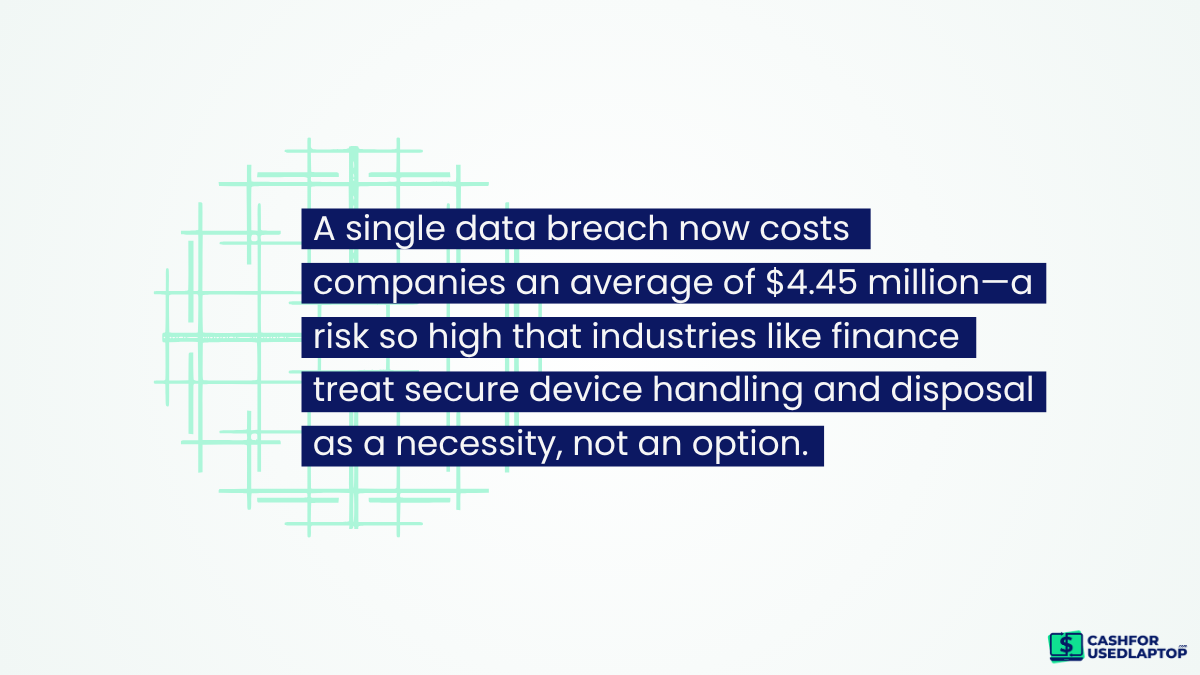
Additionally, studies indicate that data breaches can cost companies an average of $4.45 million, which is why organizations—especially in sectors like finance—prioritize secure device handling and disposal.
Buyers’ Market Perspective
This shift in buyer preference is closely tied to the growing demand for used business laptops across global markets. In the resale market, buyer decisions are often influenced by perceived risk. When purchasing used laptops, uncertainty around past usage, condition, and reliability can impact how much a buyer is willing to pay.
Devices that come from finance environments help lessen this uncertainty. People who buy these laptops usually think of them as having a structured use and being handled professionally. This structure makes them easier to judge than devices with unclear backgrounds.
Such behavior changes how buyers act in a number of ways:
- More confidence leads to faster buying decisions
- Less price sensitivity than devices of unknown origin
- Preference for hardware that can be tracked and comes from a business
Because of this, laptops used in the finance industry tend to attract more serious buyers and have higher demand, which raises their resale value.
Market reports also highlight that data security and regulatory compliance are among the primary drivers of the global ITAD market, especially in sectors that handle sensitive data, such as finance.
Conclusion
All in all, laptops in the finance sector have a higher resale value because of how they are chosen, used, and managed throughout their lifecycle. Devices up for resale are in better shape and work better than most used laptops because they have better specs and follow a structured refresh cycle.
For businesses, this presents a clear opportunity to recover more value from retired hardware. So instead of allowing devices to depreciate further, you should leverage platforms like CashforUsedLaptop to sell laptops in bulk. It will ensure safe handling, a competitive return, and efficient reuse of technology.